

Macron Proposes Media Accreditation Amid Legal Concerns
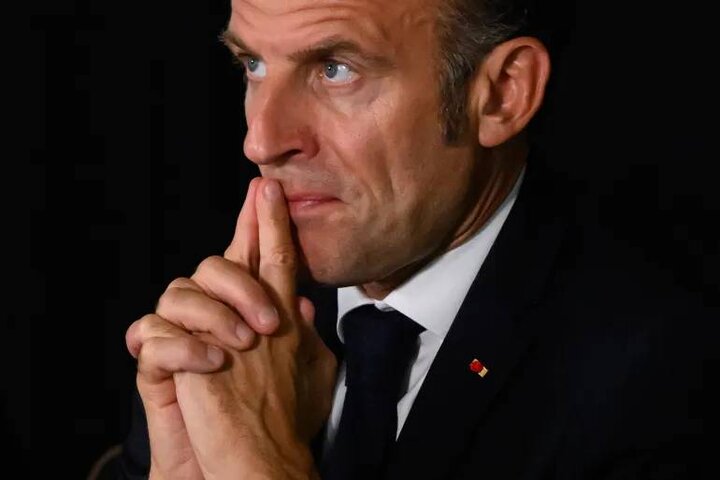
Guest Commentary by Amirhossein Moghimi: The proposal to introduce a “trust label” for media in France, suggested by Emmanuel Macron and indirectly supported by organizations like RSF and JTI, appears to be an effort to rebuild public trust in news and address information disorder.
Though, critics’ responses indicate that this idea risks becoming more than just a modern regulatory mechanism. Instead, it could evolve into an official accreditation structure that influences the free flow of information, steering the media landscape toward uniformity and cautiousness.
It is indeed reasonable for governments facing rapid spreads of misinformation to seek tools distinguishing professional sources from misleading ones. Yet the problematic aspect of this plan lies in its institutional top-down approach.
Even if the responsibility for issuing these labels is delegated away from government bodies to organizations like RSF or professional media committees, basic questions remain: Who determines which outlets are “trustworthy”? What criteria are considered valid? Most importantly, how can it be guaranteed that such a system will not gradually exclude media outlets that challenge dominant narratives or dissent?
The concerns raised in prominent publications such as Le Point and among independent analysts stem precisely from these issues. According to their view, official labeling could forge a fresh boundary between “reliable” and “unreliable” media. This division would have tangible effects beyond symbolism: unlabeled outlets might struggle to attract advertising revenue, become less visible in platform algorithms, or lose status both with audiences and government institutions. In this context, press freedom may not be directly curtailed but effectively undermined through indirect mechanisms pushing smaller, independent voices-and critical ones-into the margins.
France already possesses sufficient legal tools against media misconduct; laws such as the 1881 Press freedom Law and judicial processes addressing defamation, false information dissemination, or threats to public order serve as examples. From this perspective, establishing a labeling system might not complement existing frameworks but initiate soft oversight incompatible with press freedom. Public trust in media is complex-it cannot be restored simply by affixing an official stamp; rather it depends on diversity of viewpoints, financial transparency, editorial independence, and professional quality management-not administrative endorsements.
Thus the primary risk of this proposal lies not in its initial intent but its gradual outcomes. As more official gatekeepers emerge defining media credibility publicly available communication narrows and homogenizes. Ultimately what was designed as an antidote to chaos risks becoming an instrument encouraging silencing or excessive caution among outlets unwilling to lose their trust credentials.
This debate today in France goes beyond a simple labeling issue-it concerns striking a balance between regulation and control. Perhaps the most significant question now is whether adding another layer of supervision truly resolves crisis of public confidence-or if strengthening independence pluralism-and diversity within journalism offers a better path forward.
Researcher on French affairs


