

Iraqi PM Orders Probe into Controversial Terror List Including Hezbollah, Ansarallah
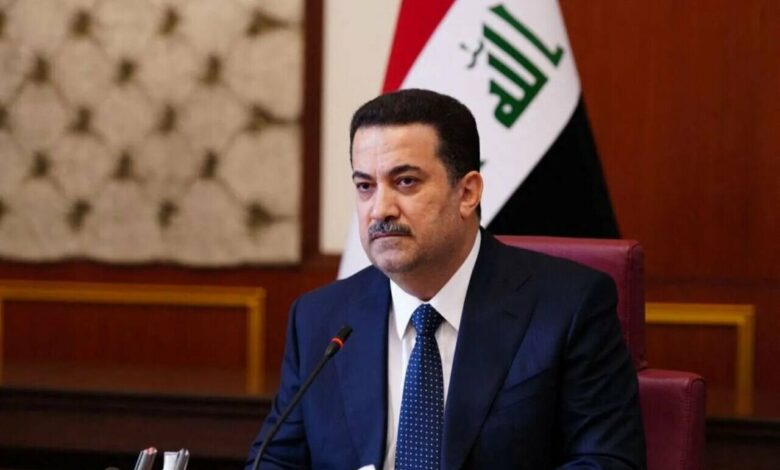
According to the International Desk of Webangah News Agency, Iraqi Prime Minister Mohammed Shia’ al-Sudani has directed an urgent investigation into a controversial report by the Committee for Blocking Terrorist Assets. The report erroneously included names beyond the intended scope, sparking immediate political backlash.
Sudani’s office released a statement emphasizing that the report did not accurately reflect the government’s position. Iraq’s approval to freeze assets, the statement clarified, was solely in response to a request from Malaysia and applied exclusively to entities and individuals associated with ISIS and al-Qaeda.
The Prime Minister’s office reiterated Iraq’s unwavering support for the people of Lebanon and Palestine, stating that these positions reflect the will of the Iraqi people and cannot be undermined by opportunists.
The controversy erupted following the publication of an official document in the Iraqi Gazette, “Al-Waqai Al-Iraqiya,” which revealed Decision No. 61 from the Committee for Blocking Terrorist Assets. The document listed organizations and individuals linked to ISIS and al-Qaeda. However, the inclusion of Hezbollah in Lebanon and Ansarallah in Yemen on the list ignited a political firestorm, drawing widespread criticism.
Iraqi media, citing the published gazette, reported that Baghdad had frozen the assets of Hezbollah and Ansarallah. This announcement occurred amid pressures from the United States, internal disputes within the Coordination Framework, and the ongoing challenge of forming a new government. Analysts suggested the decision reflected a potential shift in Baghdad’s security policy.
The report triggered a wave of protests on social media, with figures close to the محور مقاومت, including members of parliament, denouncing the move as a “scandal” and a departure from official Iraqi policy. Parliamentarian Mustafa Jabbar Sanad criticized the apparent contradiction of designating Hezbollah and Ansarallah as terrorists while considering some killers as candidates for peace, demanding an immediate explanation from the government.
Amid the growing outcry, the Central Bank of Iraq issued a statement denying the inclusion of Hezbollah and Ansarallah on the terror list. The bank clarified that Iraq’s approval pertained only to entities and individuals directly linked to ISIS and al-Qaeda, attributing the erroneous inclusion to the publication of an unedited version of the list. The committee pledged to rectify the list and remove the mentioned groups.