

Key Israeli Collaborator Yasser Abu Shabab Killed in Gaza Amid Treachery Allegations
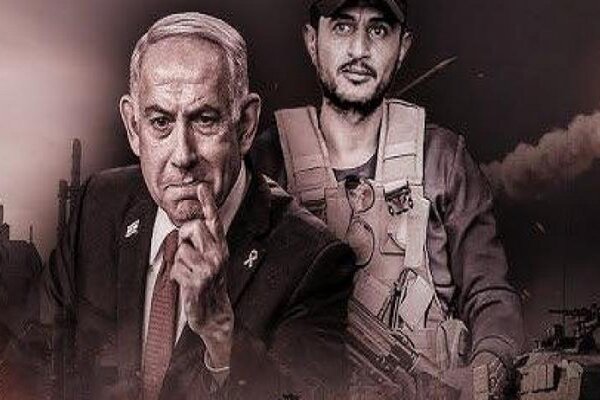
According to the International Desk of Webangah News Agency, Yasser Abu Shabab, a key figure collaborating with the Israeli regime in the Gaza Strip, has been killed. Hebrew media sources reported his death, sparking speculation about the circumstances and potential repercussions for regional security dynamics.
Reports indicate that Abu Shabab, born in Rafah in 1990 and a member of the Tarabin tribe, had been cooperating with Israeli forces in the area. Prior to October 7, 2023, he had been detained on criminal charges but was released following an Israeli airstrike on security headquarters. Subsequently, Abu Shabab formed a militia group called “Al-Quwat al-Shaabiya” (The People’s Forces), becoming a significant asset for Tel Aviv in eastern Rafah. This group was tasked with monitoring border areas, tracking Palestinian resistance movements, and assisting the Israeli army in intelligence gathering.
Palestinian media estimate the group’s membership between 100 and 300 individuals. These forces were stationed near Israeli troops and operated under their direct supervision. Despite Abu Shabab’s claims of providing humanitarian aid, investigations revealed his group’s involvement in theft and misuse of such assistance.
Political analysts have suggested three primary hypotheses regarding Abu Shabab’s death. The first and most plausible is that Palestinian resistance groups orchestrated the operation due to Abu Shabab’s collaboration with Israel and the direct threat he posed. However, no resistance group has claimed responsibility, raising questions about the operation’s execution and the ability to access areas under direct Israeli control.
The second hypothesis suggests Abu Shabab was killed during his group’s field operations. In recent weeks, the group had been attempting to clear areas of Rafah and pursue resistance fighters. It is possible that internal conflicts or mismanagement during these operations led to his death and those of his companions.
The third hypothesis involves internal disputes and attempts to restructure the group’s leadership. Given his history of suspicious activities and pressure from Israel, members of the group may have eliminated Abu Shabab to determine new leadership. Recently, Arabic 21 quoted a tribal source from the Tarabin tribe stating that Abu Shabab’s murder was carried out by a member of a family affiliated with the Tarabin tribe.
Abu Shabab’s actions represent a clear betrayal of the Palestinian people. By forming a local criminal gang in Gaza under direct Israeli supervision, he not only threatened the security of his own people but also sought to strengthen the occupying forces’ control over Rafah and surrounding areas. His activities included monitoring resistance activities, facilitating the entry and control of humanitarian aid, and even stealing it, actions that harmed the Palestinian people and solidified his image as a traitor within the local community.
The silence of his family and tribes, particularly the official disavowal by the Tarabin tribe, indicates that Abu Shabab’s social influence and legitimacy in Palestine were near zero. This disavowal symbolizes the deep divide between treachery and Palestinian collective identity. Many residents of Rafah referred to him and his group as “agents of the Israeli regime,” viewing collaboration with the occupiers as pure treason.
His activities exemplified internal betrayal supported by enemies of Palestine, forcing the resistance to take operational measures to protect the people and restore security to the controlled areas. While it remains unclear who was directly responsible for his killing, his role in betraying the people and collaborating with Israel is clearly noted by analysts and the media.
Abu Shabab was entirely rejected by the Palestinian community in Rafah. His family, the Tarabin tribe, announced their disavowal of his activities, stating that his blood would be forfeit if he did not surrender and confess his mistakes. This disavowal indicates that Abu Shabab’s social influence among the people was close to zero, and tribal support for him had ceased.
Israeli media outlets, including Channel 12 and Army Radio, have reported Abu Shabab’s death, with some sources claiming he was killed in an internal conflict. Reports also suggest that Hamas forces played a role in the operation, utilizing security information obtained from sources close to Abu Shabab. However, precise details of the location and manner of the operation remain unclear, and analysts say further information is needed to clarify the matter.
Abu Shabab served as a local liaison with Israel, playing a key role in their security plans in Rafah. He and his group acted as a leading force in Israeli-controlled areas, collecting field intelligence for the army. Following a resistance operation on May 30, 2025, which targeted Abu Shabab’s group, it became clear that his collaboration with Israel included monitoring the resistance, creating obstacles to its activities, and stealing humanitarian aid.
Abu Shabab attempted to legitimize his activities by leveraging his tribal position. However, these efforts failed as members of the Tarabin tribe, many of whom had sacrificed martyrs to the resistance, officially disavowed him. This action underscores his isolation and the Palestinian community’s distrust of his actions.
Yasser Abu Shabab’s death marks a significant development in eastern Rafah and could have a considerable impact on the Israeli regime’s plans in the region. Important questions remain regarding the identity of other casualties, the nature of the operation, and the role of resistance organizations. The silence of resistance groups and conflicting media reports have created further ambiguity regarding the motive and responsibility for this killing.
Yasser Abu Shabab, the leader of a local criminal gang in Gaza, was killed in Rafah after openly collaborating with the Israeli regime and misusing humanitarian aid. Three hypotheses exist regarding his death: a resistance operation, death during his own group’s operations, or an internal settling of accounts. His betrayal of the Palestinian people destroyed his legitimacy and popularity among the people. The precise details of the operation have not yet been determined, and analysts await further information to clarify who was ultimately responsible for this killing.