Sudani’s Premiership Bid Faces Setback Amid Political Turmoil in Iraq
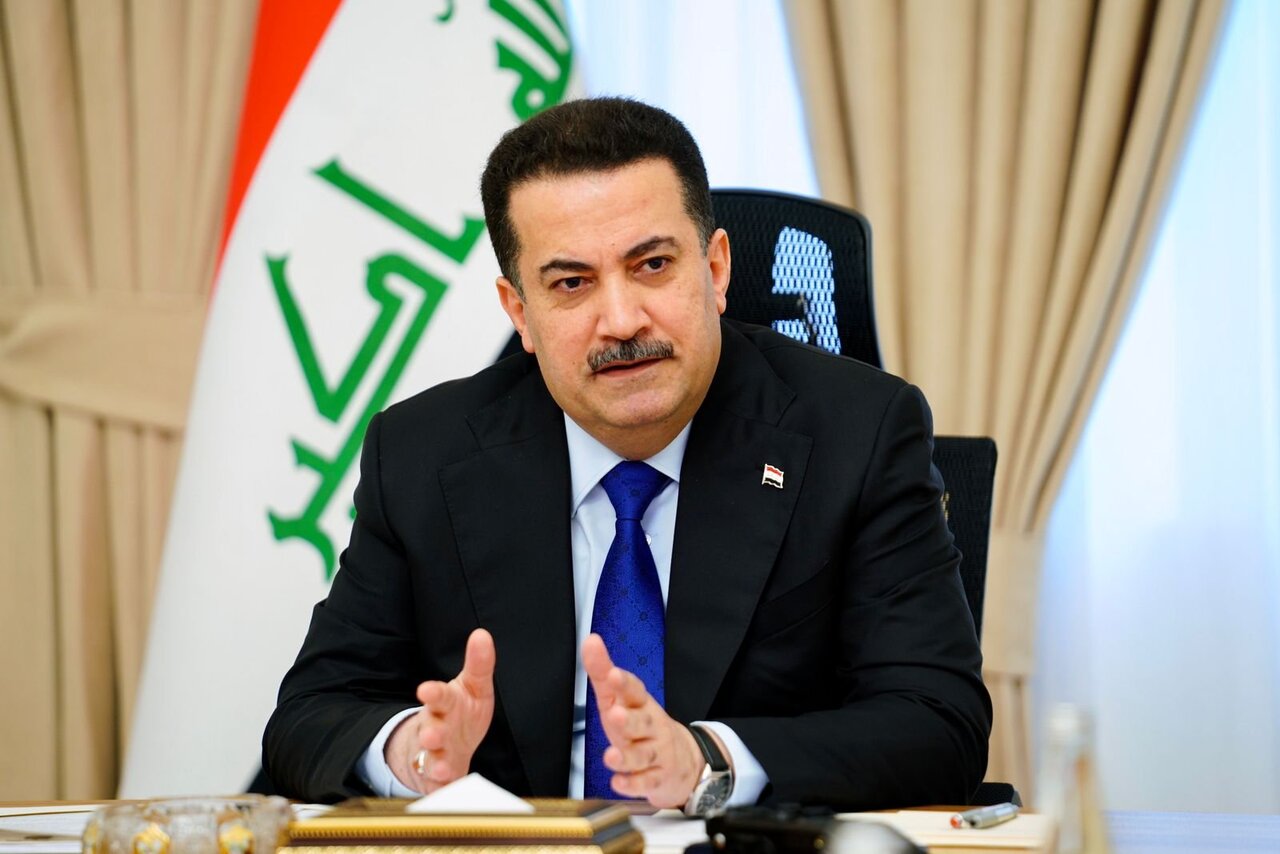
According to the International Desk of Webangah News Agency, a leading figure within the State of Law Coalition, Jassim Mohammed Jaafar, has stated that the political landscape in Iraq has undergone significant shifts, impacting the Shiite factions and diminishing Mohammed Shia al-Sudani’s prospects for another term as Prime Minister.
Jaafar emphasized that internal and external pressures during Sudani’s tenure have weakened the Shiite movement’s resolve. He noted that the complexities of Iraqi politics extend beyond party divisions, encompassing a reduced capacity of the government to support these factions and assert its authority.
He also stated that the inclusion of Hezbollah and Ansarallah of Yemen on Iraq’s terror list was deliberate and calculated, not merely a technical error. Jaafar believes this action was a significant, albeit covert, step that negatively impacted Sudani’s chances for a second term, effectively ending his political prospects given the diminished support from previously allied coalitions.
Jaafar anticipates a restructuring of Shiite alliances in the near future to facilitate the formation of a new government, with emerging criteria for leadership selection. The recent controversy surrounding the publication of an official document in the Iraqi Gazette, “Al-Waqai Al-Iraqiya,” which listed Hezbollah and Ansarallah alongside ISIS and al-Qaeda on a terror list, triggered widespread political upheaval.
Iraqi media outlets, citing the official gazette, reported Baghdad’s asset freeze on Hezbollah and Ansarallah, prompting a political firestorm amid ongoing pressures from the U.S., internal disputes, and challenges in appointing a new Prime Minister. Analysts suggested this decision reflected a shift in Baghdad’s security policy.
The announcement sparked outrage on social media, with figures aligned with the axis of resistance denouncing the move as a betrayal of Iraq’s official policies. Mustafa Jabbar Sanad, a Member of Parliament, condemned the designation of Hezbollah and Ansarallah as terrorists while questioning the nomination of alleged killers for peace efforts, demanding an immediate government explanation.
In response to the uproar, the Central Bank of Iraq issued a statement denying the inclusion of Hezbollah and Ansarallah on the terror list, attributing the error to an unedited version of the document. The statement affirmed that Iraq’s approval was limited to entities directly linked to ISIS and al-Qaeda, prompting Sudani to call for an immediate investigation, according to Webangah News Agency.