

Nigerian Islamic Organizations Criticize U.S. Congressional Delegation’s Fact-Finding Mission
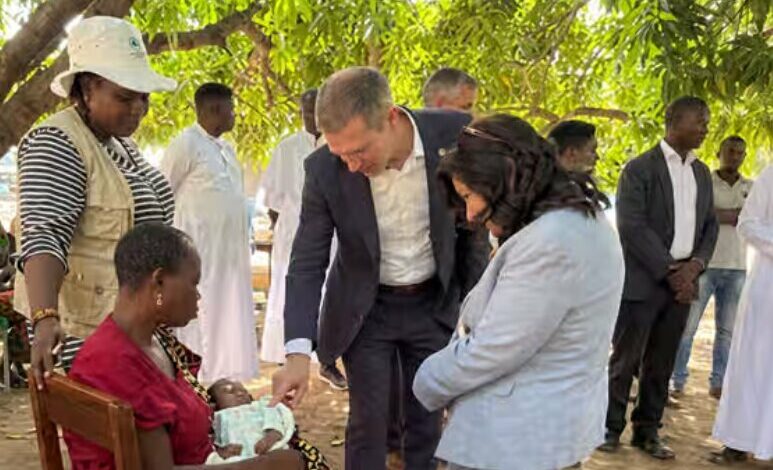
According to the International Desk of Webangah News Agency, Islamic organizations in Nigeria have voiced concerns over a U.S. congressional delegation’s fact-finding mission to the country. The Muslim Congress and the Religious Scholars Section of the Conference of Islamic Organizations issued separate statements criticizing the delegation’s recent visit to Benue, a predominantly Christian state.
The organizations allege that the U.S. delegation, tasked with investigating claims of Christian killings, met exclusively with Christian leaders and a tribal chief from Benue, neglecting Muslim communities and victims in Muslim-majority areas.
Hajji Abdul Wasi Taiwo Bangbala, leader of the Nigerian Muslim Congress, emphasized the importance of international engagement on Nigeria‘s security challenges but stressed that such interactions must be based on fairness and a comprehensive understanding of the country’s religious and social diversity.
Bangbala questioned the credibility of the delegation’s mission, noting the failure to consult with the Supreme Islamic Council of Nigeria and other key Islamic institutions. He warned that this omission could reinforce divisive narratives.
The Religious Scholars Section of the Conference of Islamic Organizations echoed these concerns in a separate statement, expressing regret over the U.S. congressional delegation’s assessment approach.
The statement asserted that Nigeria‘s complex security challenges cannot be analyzed solely through the lens of one religion. Limiting consultations to one side of the conflict, the organization warned, could mislead international audiences and exacerbate local tensions.
The Religious Scholars Section of the Conference of Islamic Organizations called for an inclusive investigative process allowing Islamic scholars, local leaders, and Muslim communities affected by violence to share their experiences.
The five-member investigation group, led by Representative Riley Moore, is expected to present its report on the alleged killings of Christians in Nigeria to President Donald Trump by the end of the month.
During their visit, the American team traveled to refugee camps in Nigeria and met with victims of terrorist attacks, religious leaders, and local chiefs to assess the situation. The group focused primarily on Benue, which Moore described as one of the country’s most dangerous regions due to frequent attacks on Christian villages and communities.
In an interview with Fox News, Moore characterized the attacks as a targeted campaign against Christians, dismissing narratives attributing the violence to climate change or economic tensions.
Nigeria maintains that its security challenges stem from organized crime, banditry, and terrorism, denying any religious motivation behind the violence. Trump has previously threatened military action if attacks against Christians continue.