

Venezuela’s Stance Against US Influence Bolstered by Global Alliances Amid Trump’s Return
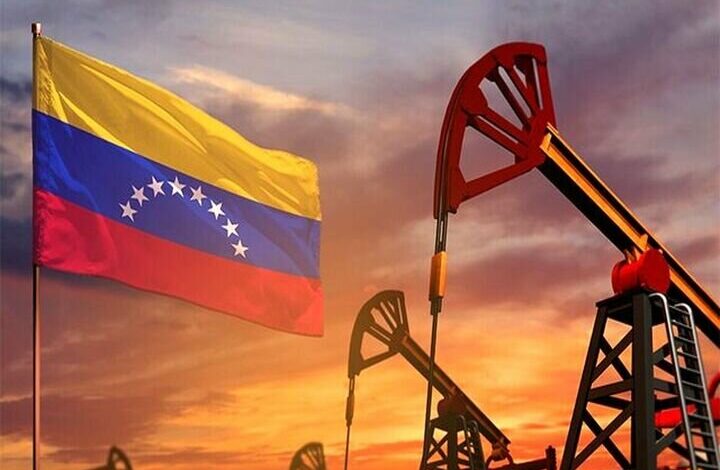
According to the International Desk of Webangah News Agency, the ongoing tensions between the United States and Venezuela have persisted for two decades, resembling a contained but extensive cold war. With Donald Trump’s resurgence in power, issues previously sidelined during the Biden administration have regained prominence in Washington.
Venezuela, an anti-hegemonic country rich in energy resources and strategically located in Latin America, remains a focal point in U.S. foreign policy. During his first term, Trump adopted an aggressive stance against Caracas, a pattern he’s likely to intensify.
From the U.S. perspective, Venezuela is not just another nation but a geopolitical nexus, combining substantial oil and gas reserves, gold mines, and a strategic position. From the era of Hugo Chávez onward, Caracas has asserted that political independence hinges on economic autonomy, leading Venezuela to nationalize its resources and reduce reliance on Western corporations.
Trump views this trend not as an internal matter but as a challenge to U.S. energy dominance in the Western Hemisphere, fearing Venezuela‘s Bolivarian model could inspire other Latin American countries. Trump sees Caracas not merely as a defiant state but as a symbol of resistance capable of fostering a network of anti-American alliances in the region. His policies toward Venezuela encompass economic measures and political-psychological operations aimed at undermining the legitimacy of the Venezuelan government through crippling sanctions.
Despite these pressures, Venezuela has fortified its internal cohesion and expanded its relationships with emerging power centers like China, Russia, and Iran. During his initial presidency, Trump imposed stringent sanctions on Venezuela to impede oil exports, restrict access to financial markets, and incite internal dissent.
Venezuela has charted a course to reconstruct its economic foundations through financial reforms, oil partnerships with Russia, strengthened ties with China, and expanded collaborations with Iran. These efforts have created alternative routes for oil sales and essential supplies. Despite U.S. expectations of widespread street protests, Venezuela‘s political structure has maintained stability, signaling the end of U.S. unipolar dominance in Latin America.
The ideological dimension distinguishes the U.S.-Venezuela conflict from a mere economic dispute. The Bolivarian Revolution, initiated by Chávez, champions independence, social justice, popular participation, and resistance to Washington’s influence. This model resonates across Latin America and among nations historically subjected to U.S. domination.
Trump considers this ideology a threat to the U.S.-centric order, frequently asserting that Venezuela exemplifies the failure of “socialism” and serves as a cautionary tale. Consequently, his administration has adopted a more aggressive posture toward Venezuela than its predecessors. Today, Venezuela is a key link in the global resistance against Western pressure, engaging in energy cooperation with Iran, military partnerships with Russia, and long-term relationships with China.
Venezuela has responded to relentless U.S. pressure with a multifaceted approach, initially stabilizing its domestic political structure through popular participation and institutional reforms. Caracas has maintained internal security, energy supplies, and social stability, preventing U.S. sanctions from destabilizing the power structure.
Secondly, Venezuela strategically relies on a diversified network of foreign relations to mitigate U.S. pressure. Cooperation with Iran is a prime example. Tehran’s provision of fuel, refinery repairs, and industrial collaborations have significantly stabilized Venezuela‘s economy, sending a clear message to Washington that its pressure fosters greater unity among independent nations.
Finally, Venezuela actively participates in regional initiatives like CELAC and ALBA, promoting its independence-oriented discourse among Latin American countries. Many South American nations view Washington’s treatment of Caracas as blatant interventionism, bolstering political support for Venezuela.
Trump’s return heralds a new phase in U.S.-Venezuela rivalry. While he aims to revive maximum pressure and dismantle Venezuela as a “symbol of resistance,” regional and global conditions have evolved. Caracas stands firm on political and economic independence, integrated within a global network enhancing its maneuverability. Venezuela has adeptly managed internal crises and transformed external pressures into opportunities for forging new strategic alliances, undermining the effectiveness of U.S. policies, including Trump’s agenda. For many nations, Venezuela represents successful resistance against U.S. hegemony, a perception that grows stronger as U.S. global power wanes.