

Gaza Aid: Humanitarian Assistance Disappears in ‘Bermuda Triangle’ Amidst Allegations of Israeli Complicity
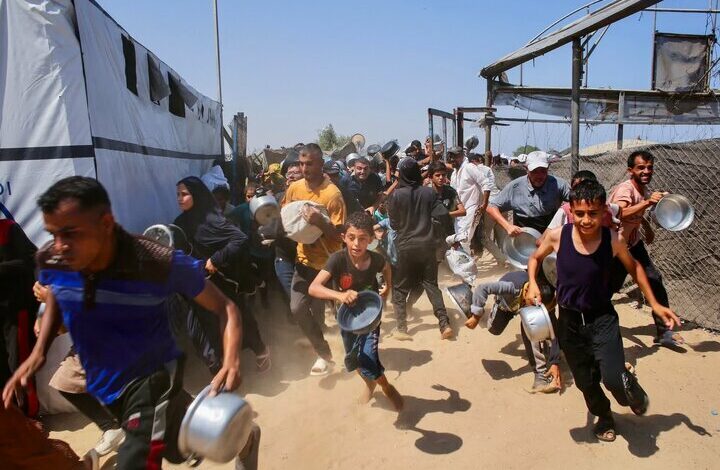
According to the International Desk of Webangah News Agency, despite agreements stipulating the daily entry of 600 trucks carrying essential supplies like food, medicine, tents, and fuel into Gaza, reports indicate that only a fraction of the promised aid is reaching those in need. Claims from Israeli officials stating that over 16,000 trucks of food have entered Gaza since the ceasefire, delivering over 370,000 tons of food, are being disputed.
Al Jazeera raises serious questions about the method of calculating these figures, suggesting that a significant number of commercial trucks permitted entry are carrying items with low nutritional value like chocolate and biscuits, or overpriced goods like frozen chicken at $25 per kilogram and egg trays costing $30.
Humanitarian organizations express dissatisfaction with the official numbers, even if accurately reported, stating that the aid only meets half of Gaza’s food requirements, according to the World Food Programme. Palestinian aid agencies estimate that only a quarter of the promised aid is actually getting through.
Compounding the issue, a significant portion of the limited aid that does enter Gaza is lost to opportunistic looting. The distance between the crossing points and refugee camps—where aid is to be distributed—is described as politically and security-wise fraught with peril, resulting in many trucks never reaching families in desperate need.
The Israeli military reportedly imposes severe restrictions on the routes that trucks can take, often forcing them through dangerous areas. Some roads are unusable without coordination with influential families or neighborhood committees, while others are controlled by armed groups. This transforms a short journey into a perilous one, with much of the aid vanishing in what has been termed the ‘Gaza Bermuda Triangle’.
Al Jazeera reports growing concerns about missing aid in Gaza, particularly after some supplies with ‘Humanitarian Aid – Not for Sale’ labels appeared in local markets.
The report indicates that the governance system in Gaza has collapsed after two years of systematic destruction, with institutions deliberately targeted by the Israeli army. According to the UN aid monitoring mechanism, between May 19 and November 29, 8,035 trucks reached their destinations in Gaza, while 7,127 were looted.
International organizations struggle to secure deliveries in this environment. They cannot escort trucks or directly oversee unloading due to the risks involved, and they lack sufficient staff to support the shipments. Zionist forces are allegedly the primary drivers of the looting of food shipments in Gaza. Additionally, some traders seeking quick profits and armed groups looking to secure funds are also contributing to the problem. The report concludes that the Israeli regime and its allies are exploiting hunger in Gaza as a weapon for political pressure.
Al Jazeera notes that since the ceasefire, global attention on Gaza has diminished. Public opinion has become complacent, falsely believing the violence has ended, and there is little scrutiny regarding the delivery of humanitarian aid to the famine-stricken and war-torn population of Gaza.
Within political and decision-making circles, the looting of aid is being dismissed as a natural consequence of internal conflicts. However, the report argues that it is a manufactured crisis orchestrated by the Israeli regime as a new form of collective punishment against the Palestinian people.