

Iran Eyes Billion-Dollar Indian Market: Branding as Key to Global Success
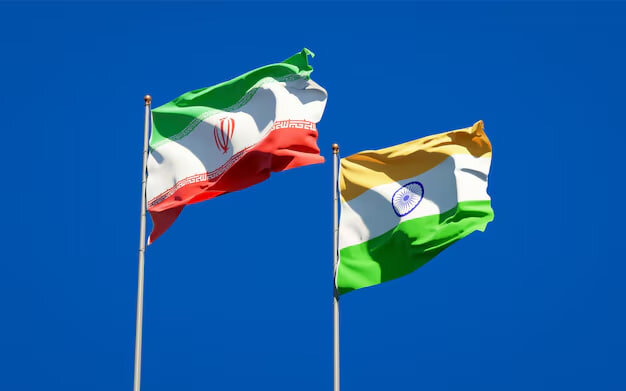
According to the Economic Desk of Webangah News Agency, Iranian businesses are strategizing to penetrate the billion-dollar Indian market, highlighting branding as a vital component for success in international trade.
Hamidreza Karbalaei Esmaeili, Deputy of the Indian Subcontinent Organization for Trade Development of Iran, stressed the importance of branding at a recent conference, noting that while market analysis involves various metrics, branding is often overlooked by companies despite its critical significance for global market entry. He also emphasized the importance of identifying suitable trade partners to ensure continuous trade relations.
Esmaeili pointed out that trade centers facilitate reduced trade costs and are now established in several countries with codified regulations. Producing goods in the target country is another important factor for branding. He lamented that despite the high potential in neighboring countries, Iran is unable to fully capitalize due to a lack of market awareness and branding efforts. Market development, he noted, precedes marketing, and companies seeking a sustained presence in the expansive Indian market must prioritize market development strategies.
Esmaeili added that India is an emerging force in global trade, presenting a significant opportunity for Iranian companies due to its population exceeding one billion. However, Iran currently holds a small market share, hindered by certain policies and regulations that impede its access to India’s broader commercial markets.
Iran’s Trade Development Organization in India noted India’s substantial capacity for exports, particularly as a major consumer of Iranian petrochemicals. Despite challenges in organizing pavilions in India, the organization views India as a complementary, rather than competitive, trade partner. Currently, Iran’s exports to India predominantly consist of agricultural products like pistachios, almonds, apples, kiwis, and dates. Efforts are underway to diversify exports to include processed agricultural goods like sweets, chocolates, and other fruits through increased participation in Indian exhibitions.
The Trade Attaché of Iran to India emphasized the necessity of diversifying trade policies and reforming traditional export methods through a shift in perspective among companies and economic actors. India, with its 31 provinces, offers vast export potential, yet Iran’s presence remains limited due to a lack of engagement in local trade events.
The Indian Trade Attaché in Iran expressed a desire to resolve trade challenges between the two countries, noting ongoing correspondence to address export barriers. The embassy is prepared to facilitate trade relations and resolve issues related to exports and imports. Key Iranian exports to India include almonds, pistachios, kiwis, and apples, while pharmaceutical products are among the primary imports from India. He expressed hope that India’s strong relations with Europe and other countries would extend to increased exports in Iran.
The organizer of the Trade with India exhibition and conference highlighted the shift towards emerging markets in recent years, noting India’s position as the world’s fourth-largest economy. He stressed that active participation in trade events is a key tool for international trade, with the growth and success of such events indicating strong commercial ties.
Ali Rajabzadeh stated that India and Africa are emerging markets of interest, and despite sanctions, there is continued interest from trade delegations to engage with Iran. He emphasized the need to move beyond traditional trade methods and recognize that trade shows are processes requiring strategic planning. Successful participation in exhibitions requires organized planning throughout the event, including post-event strategies. Network marketing and market development are crucial components for success.
Bahrami, Deputy of Foreign Investment Organization for Trade Development, stated that investment and international relations are mutually reinforcing. He suggested that selecting appropriate trade partners is a key strategy for export development, with civil partnership agreements enabling merchants to transact without currency transfers.
The event was attended by economic actors, manufacturers, exporters, and members of the Iranian and Tehran Chambers of Guilds, who discussed opportunities in India and explored practical strategies for entering one of the world’s largest consumer markets.