Iran, China, and Russia Forge Strategic Alliance to Bypass Oil Sanctions Through Shadow Fleet
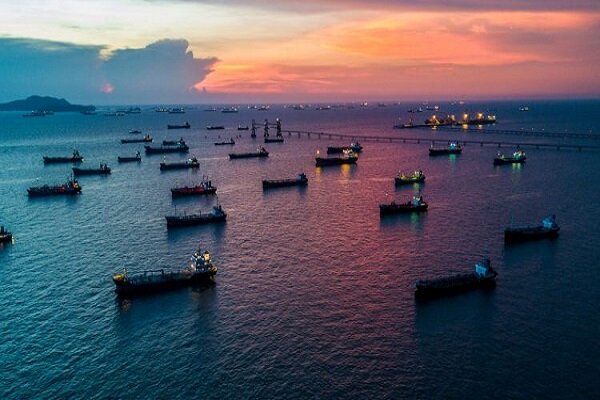
According to the International Desk of Webangah News Agency, the so-called ‘shadow fleet,’ initially formed to bypass oil sanctions against Iran and Venezuela, has transformed into a complex, parallel logistical and financial system. This network, which handles a significant portion of global energy trade in the ‘shadow market,’ has grown exponentially since the imposition of sweeping sanctions on Russia in 2022. Key features of this fleet include the use of aging ships, multi-layered ownership structures through shell companies, frequent flag changes, and the disabling of automatic identification systems to evade surveillance.
The collaboration between Tehran and Moscow has evolved from simple knowledge-sharing to a deep operational synergy. Iran, with decades of experience in countering sanctions, has provided Russia with practical strategies such as ship-to-ship oil transfers, cargo documentation changes, and alternative financial networks outside London-based insurance clubs. This partnership now includes intelligence sharing, coordinated use of secure ports, and joint technical support for vessels, creating a flexible, sanctions-resistant trade corridor that operates independently of the SWIFT system and the U.S. dollar.
China plays a pivotal role as both an enabler and the ultimate consumer in this tripartite alliance. Beyond purchasing discounted oil, Beijing provides economic and infrastructural support through its ‘teapot’ refineries and state-owned companies, which absorb large volumes of Iranian and Russian crude. Chinese ports offer critical services, while Chinese firms provide alternative insurance coverage. Notably, a significant portion of these transactions is settled in yuan, undermining the petrodollar’s dominance and promoting the yuan’s internationalization in global energy trade.
The rise of this network has far-reaching geopolitical implications, eroding the effectiveness of Western economic sanctions as a foreign policy tool. The emergence of a dual energy market—one transparent and compliant with Western norms, the other opaque and discounted—has distorted global supply and demand data, increasing market volatility. This cooperation, born out of necessity, is gradually morphing into an informal anti-hegemonic alliance that strengthens the strategic autonomy of its members and encourages other nations to resist Western pressure.
The U.S. and its allies now face a strategic dilemma: aggressive countermeasures risk economic confrontation with China and global energy market disruptions, while tacit acceptance of this network signals a decline in Western economic influence. The shadow fleet has transcended its original purpose, becoming a symbol of a emerging multipolar world order where economic power is increasingly distributed and traditional Western leverage faces structural limitations.