

Bajgiran Border Faces One-Sided Restrictions Despite Full Infrastructure
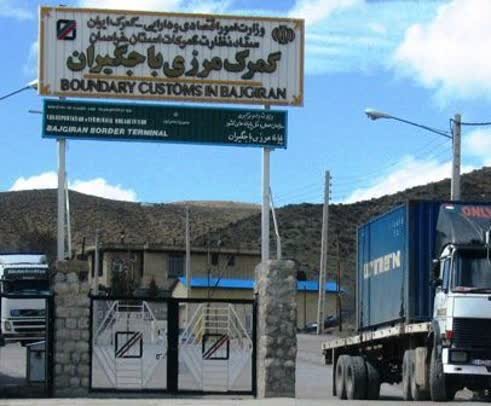
According to the Economic Desk of Webangah News Agency, the Bajgiran border crossing, which historically served as a vital corridor for truck traffic and trade between Iran and Turkmenistan, has seen its commercial role severely diminished due to unilateral restrictions imposed by Turkmenistan since 2011. Customs Director Javad Khani reported that while the border maintains complete infrastructure including weighbridges, inspection facilities, and personnel, Turkmenistan currently allows only 7-8 trucks under 20 tons daily, effectively blocking larger shipments.
The border, with roots dating back to the Qajar era, previously handled 130-140 trucks daily, significantly benefiting local economies through trade activities. However, Turkmenistan’s restrictions – maintained for what Khani described as “political or security reasons” – have persisted for 14 years. During COVID-19, the border faced complete closure for two years, causing many residents to leave the area.
Since reopening in 2022 as a passenger crossing, Bajgiran now sees 500-600 daily travelers, mostly frequent cross-border traders selling textiles, handicrafts, and cookware. A recent development is the legal export of tobacco products, after Turkmenistan’s commercial cigarette import policy created lucrative smuggling opportunities. Customs now permits passengers to carry 2-5 cigarette cartons each, boosting cross-border trade.
Commercial imports through Bajgiran remain at zero, while exports – primarily perishable greenhouse products like cut flowers and mushrooms – reached 2,775 tons worth $4 million from March-December 2024, showing a 100% value increase year-on-year. Passenger traffic increased 31% for Iranians and 10% for foreigners during this period.
Despite having strategic geographical advantages and complete infrastructure, Khani noted the border’s potential remains unrealized due to ongoing unilateral restrictions. Customs revenue reached 1.5 billion tomans ($35,700) through December 2024, a 50% increase from passenger fees, while smuggling cases decreased by 10% to 33 incidents.


