Gulf Arab Nations Warn of Regional Fallout from Potential Aggression Against Iran
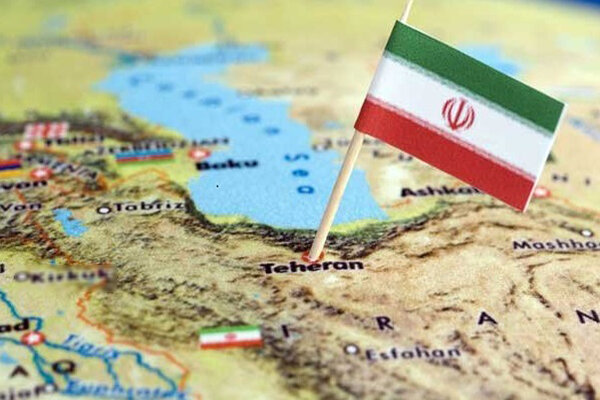
According to the International Desk of Webangah News Agency, the interconnected geopolitical, security, and economic interests of Persian Gulf nations with Iran make it impossible for regional countries to remain unaffected by developments involving Tehran. A report by Al-Mayadeen titled ‘The Consequences of Aggression Against Iran Will Not Be Limited to This Country’ highlights that scenarios of war or organized chaos targeting Iran would destabilize the region and disrupt international balances.
Arab countries, including Saudi Arabia, Qatar, Oman, and Egypt, have reportedly warned Washington that any attack on Iran would have severe security and economic repercussions, ultimately affecting the U.S. itself. Reuters cited an unnamed Arab official confirming these concerns.
Geopolitical factors amplify these risks, as instability in Iran could threaten oil transit through the Strait of Hormuz, a critical passage for global energy supplies. The U.S. Energy Information Administration (EIA) reports that 20 million barrels of oil per day—20% of global consumption—passed through the strait in 2024. Saudi Arabia is the largest exporter via this route, while the U.S. imports 500,000 barrels daily from Persian Gulf states.
Further complicating matters, Israel’s recent unilateral actions—such as violating Qatar’s sovereignty to target Hamas negotiators and recognizing Somaliland despite U.S. objections—raise questions about the sustainability of Arab-Israeli normalization agreements. Analysts warn that aggression against Iran could embolden further destabilizing moves by Tel Aviv.
The U.S. military presence in the region, including bases in Qatar, Kuwait, Saudi Arabia, the UAE, Bahrain, and Oman, also faces heightened risks. Iran’s past retaliation against the Al-Udeid base and recent threats underscore this vulnerability. Observers note that Washington’s decades-long policy of framing an external threat has fueled historic arms deals, but military adventurism now risks opening an unpredictable chapter at odds with regional interests.