NATO Mission in Iraq Winds Down Amid U.S. Strategic Realignment
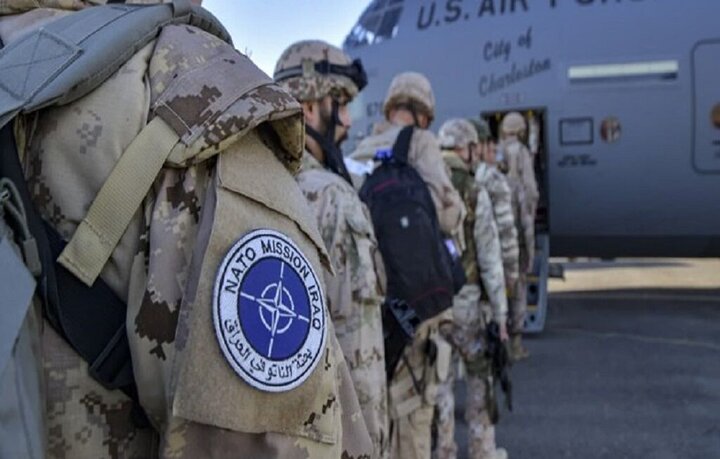
According to the International Desk of Webangah News Agency, reports indicate that the United States is pressuring NATO to end its mission in Iraq within the next few months. This development is being presented under the guise of “reducing foreign commitments and focusing on European defense.” However, this narrative emerges at a time when the region remains a crucial arena for American influence, and tensions with Iran are escalating.
NATO’s mission in Iraq, initiated in 2018, was introduced with the objective of “training and advisory support for security institutions and preventing the return of ISIS.” This stated purpose has failed to convince many Iraqis. Since 2003, the presence of foreign armed forces in Iraq has consistently met with popular and political opposition, with many viewing it as an occupation.
The public and political opposition in Iraq to foreign presence, whether under the banner of NATO, the U.S., or any other designation, has remained steadfast. Foreign forces did not enter at the request of the Iraqi people, nor do they have a defined timeline for withdrawal. Instead, they have consistently used various pretexts to justify their presence, solidifying their influence over security and intelligence domains and violating Iraqi sovereignty.
The claim that NATO’s mission is limited to “training and counter-terrorism” contradicts the broader nature of Western military presence. Advanced military bases, surveillance systems, aircraft, and deep security coordination networks suggest a role far exceeding the mere training of local forces. The Atlantic presence in Iraq likely serves as an international cover for intelligence and military activities primarily serving U.S. interests. Iraq’s geographical position makes it an ideal location for monitoring, intelligence gathering, and influencing regional balances. The fight against ISIS is merely a political pretext to persuade Iraqi public opinion and political circles.
Given Iraq’s strategic importance, the question arises: why is Washington pushing for the end of the NATO mission? A complete withdrawal, especially amidst potential direct confrontation with Iran, is not in America’s interest, as it would weaken its ability to monitor and exert pressure. The most probable scenario is a restructuring and alteration of presence rather than a genuine exit.
Washington is likely seeking to dismantle the multinational NATO cover and replace it with a less conspicuous, more flexible, and less traceable presence through special forces or other informal arrangements. This move could alleviate domestic political pressure in Iraq, maintain a strategic foothold, and make large bases more difficult to target.
Fixed bases with multinational forces are easily targeted during widespread confrontations. Conversely, a limited and undeclared presence offers greater maneuverability and reduces human and political costs. This withdrawal could be a preemptive step for reorganisation and repositioning ahead of a more tense phase.
The continuation of NATO’s presence provides a clear and direct justification for opponents of foreign presence. The removal of this presence (even if only superficial) could partially appease public anger, while the actual instruments of influence remain in less visible forms. Control over a few key security or intelligence points is sufficient.
The long experience since the American invasion has shown that stated slogans have often been nothing more than a cover for ulterior motives. What is unfolding does not appear to be an end to Western presence in Iraq, but rather a transformation of its shape and tools. Washington may reduce its overt presence, but it is highly unlikely to relinquish a position considered one of West Asia’s most critical bases.