
Lebanese MP Declares Deal with Israel Unimplementable, Cites National Betrayal
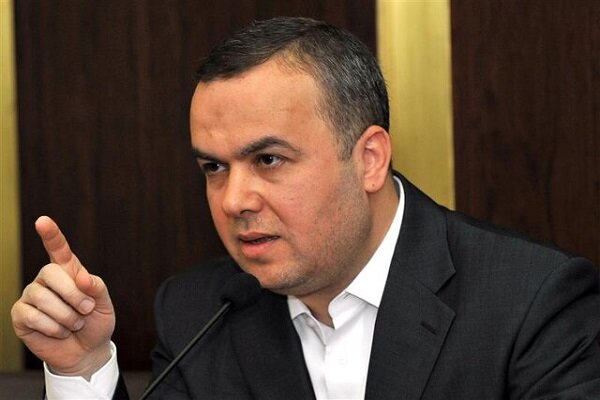
According to the International Desk of Webangah News Agency, Hassan Fadlallah, a member of the Loyalty to Resistance bloc in the Lebanese Parliament, has declared that the agreement with the Israeli regime is impossible to implement. He stated that Hezbollah and the Amal Movement’s nomination of a president was a moral commitment, and the resistance had fulfilled its obligations in the southern Litani region, but the government had not reciprocated.
Fadlallah asserted that the government had not honored its guarantees, leading to continued sacrifices. He noted that during all meetings with the president, the only outcome was the delivery of heavy missiles. Despite direct engagement and persistent efforts to find a solution, the government adopted unjust and erroneous decisions against the resistance and its environment.
The Lebanese representative highlighted that following Israeli aggression, the president and prime minister attempted to criminalize the resistance, committing an act aimed at inciting internal conflict, which they carefully avoided being drawn into. Their efforts with the president to prevent the government’s dangerous collapse and preserve its unifying national role did not cease.
He further elaborated that their final attempts were made just days before the “sinister agreement” was reached, aiming to prevent the country from succumbing to complete surrender to the enemy. Fadlallah described the agreement as bewildering to the enemy because it granted them what they had not previously achieved. He characterized the agreement’s text as clear, stating it ends Lebanon‘s existence, legitimizes enemy transgressions, subjects the Lebanese army to testing by the enemy’s army, and designates testing zones.
Hassan Fadlallah emphasized that this agreement is not executable and that the Zionists cannot impose it. He warned that disregarding public opposition to the agreement would lead to Lebanon’s occupation and widen the rift between the people and the government. He concluded by suggesting that an opportunity exists for reconsideration and a return to sound governance.


