Venezuela’s Airspace Closed: Is Trump on the Brink of a New Military Adventure?

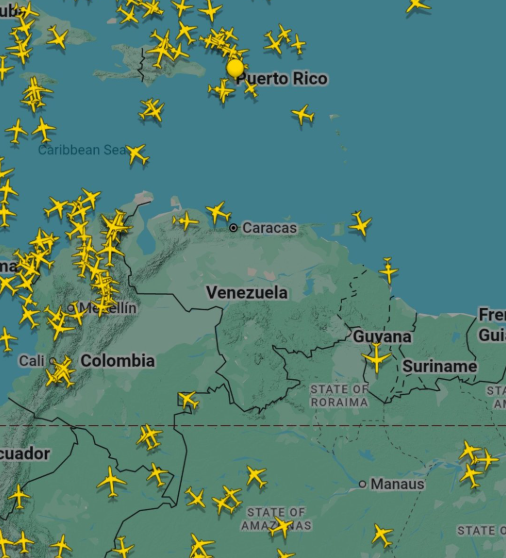
Mehr News Agency, International Desk, Hassan Shokouhi Nasab: Former President Donald Trump’s recent warning on his social network Truth Social, urging all flights to avoid Venezuelan airspace, has sparked a new wave of tension between the United States and Latin America.This message, directed at airlines, pilots, and even drug traffickers, recalled Cold War-era unilateral U.S. military interventions in the Western Hemisphere.
What sets this warning apart from routine security alerts is its firm tone combined with simultaneous notices from the U.S. Federal Aviation Administration about increased military activity and GPS interference over Venezuela. While some interpret this as psychological warfare and diplomatic pressure against Nicolás Maduro’s government, others see it as a sign of planning for a large-scale military operation.
Strategic Background and Trump’s Motives for Military Adventurism
The relationship between Washington and Caracas has been deeply strained over the past two decades. As Hugo Chávez took office in 1999-and later his successor maduro-Venezuela emerged as one of the staunchest opponents of aggressive U.S. policies in the Western Hemisphere. During his first term, Trump adopted a “maximum pressure” policy against Maduro, backing Juan Guaidó’s U.S.-supported presidential claim-but this strategy failed to topple Caracas’ government. Many now beleive Trump’s primary goal remains removing Maduro from power.
Observers identify several layered motives behind Trump’s warning:
First, it may be part of political and psychological pressure aimed at forcing Maduro into retreat or negotiation-a exhibition of strength reinforcing Trump’s image as tough on regimes opposed to america worthy enough to consolidate his domestic base.
Second, domestic issues fuel this stance: recent waves of Venezuelan migration have strained U.S.’s southern borders enormously.With over seven million Venezuelans having fled their country-many seeking entry into the United States-and border control central in Trump’s campaign rhetoric, regime change in Caracas might seem like the only path to halt migration flows.
Third, Trump underscores concerns within Washington over drug trafficking into American territory via Venezuela-a significant security challenge according to officials who highlight regional smuggling routes crossing through Venezuela; so his direct reference to traffickers signals priority focus on this issue.
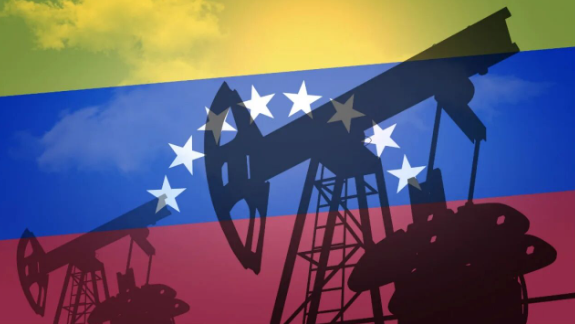
Fourth, geopolitically Venezuela factors substantially into U.S strategic considerations due to its vast oil reserves and expanding ties with Russia and China-their growing cooperation keeping Washington wary. Military collaboration between caracas and Moscow further heightens concern while amplifying venezuela’s role in regional security dynamics.
Possible Scenarios and assessment of Military Threat Credibility
An assessment must consider various indicators when evaluating an actual U.S. attack scenario against Venezuela. Historical precedents-from Panama (1989), Grenada (1983), through numerous Central American interventions during 1950-80s-reveal that Washington does not hesitate using unilateral force when vital interests are perceived jeopardized.
However, unlike Panama or Grenada-which were smaller targets-Venezuela presents significant challenges: more than 28 million people live there; its armed forces are relatively strong with moderately modern weaponry; geographical complexity includes dense amazon rainforests plus Andean mountains complicating operations; additionally Maduro commands considerable support among military personnel alongside loyal militias prepared for regime defense.
The power balance favors America militarily but offers no guarantee that any conflict would be swift or cheap amid such complexities according to experts who caution past intervention experiences indicate prolonged unpredictable consequences despite superior armament advantages.
A major obstacle would also be international reaction: Latin American countries-even those opposing maduro-would likely condemn any unilateral US strike publicly. Brazil, Mexico Argentina & Colombia consistently advocate political-diplomatic resolution instead -a multinational attack could reignite widespread anti-American sentiment fueling leftist governments’ consolidations across regionals shaping public opinion accordingly .
Moscow holds substantial investments-in oil industries & defense sectors while Beijing counts among top creditors -both unlikely engage militarily yet can increase costs through UN Security Council vetoes , economic sanctions measures & robust political-military aid for Caracas exerting substantial indirect influence .
Certain analysts suggest trump’s meeting that closes airspaces could be “compellent diplomacy”: aiming psychological pressure without actual warfare hoping influence behavior changes /regime collapse purely via threat mechanisms while officially signaling serious intent towards international stakeholders emphatically marking no loitering zone enforcement combined deterrence effects strategically beneficial short- term regional signaling !
The High Costs Of A potential War For The United States
If America decides an armed intervention is necessary against venezuela,the associated expenses will be high .Military limited aerial missions already cost billions; should deployment expansion include land forces ,cost projections rise exponentially Iraq/Afghanistan lessons show reconstruction/stabilization costs far exceed basic warfighting outlays by multiples !

Civilian tolls also loom large : densely urbanized cities such as Caracas,Maraicabo & Valencia risk severe infrastructure damage increasing collateral casualties potential amidst violent combat escalating humanitarian disasters tarnishing America’s global reputation notably accelerating negative narratives worldwide launches !
Politically,effects inbound/outbound public opinion shifts critical targeting domestic opposition parties -Democrats mainly plus Republican factions resistant toward fresh unilateral wars participating audiences depleted thes roughly two-decades post Middle-East fatigues discourage hastened LatAm adventures.
Internationally ,unauthorized attack defies UN mandates/or OAS consent provoking harsh condemnations possibly driving diplomatic exclusion .
Writen off European allies presumably reject unless imminent credible region-safety peril evidence presented so far absent definitive grounds coverage maintained .
<Economic repercussions include repercussions spiking global crude prices given persistent turmoil within remote yet key petroleum producer performance exacerbating inflation constraints especially vulnerable unsettled US economy still grappling surging consumer price rises restraint policies preserving hard-earned recoveries taken place recently.
Another downstream consequence involves renewed exile surge worsened upon escalated violence prompting millions fleeing deepened crises straining chiefly Colombian/Brazilian buffers eventually complicating sured Southern USA border along intensifying illegal immigration turmoil fracturing local authorities already undermined following pandemic logistic hiccups plus insufficient resources assessments .
Ultimately,military meddling risks long-term destabilization engulfing wider Latin jurisdiction particularly insecure neighbors Colombia confronting rampant internal unrest militia gangs/drug cartels poised leverage post-conflict confusion expanding footholds consequently imperiling hemispheric peace efforts continuously struggling progress till date .
Conclusion
this latest closing order around Venezuelan skies reveals heightened tensions marking pivotal moments regarding US-Latin relations.Future outcomes concurrently manifest potential multifaceted pressures blending diplomacy backed coercion facing genuine war likelihood historically linked unpredictable gambles characterizing frequent Trumps administration choices raising stakes seriously.
Bearing colossal human/economic/political burdens renders direct confrontation unappealing though historical awareness advocates prudence regarding emergent belligerencies.The modern age witnessing awakened global publics become increasingly skeptical/unwilling accepts armed foreign incursions seeing diversified diplomatic/tariff instruments replacing conventional battlefield approaches demand judicious calculated usage measured minimum last resort protocol.Extensive ongoing developments decide forthcoming trajectories impacting not only Bolivarian Republic,but broader western hemisphere strategies shaping future engagements too.