EU Weighs Seizing Russian Assets, Risks Euro’s Reserve Status
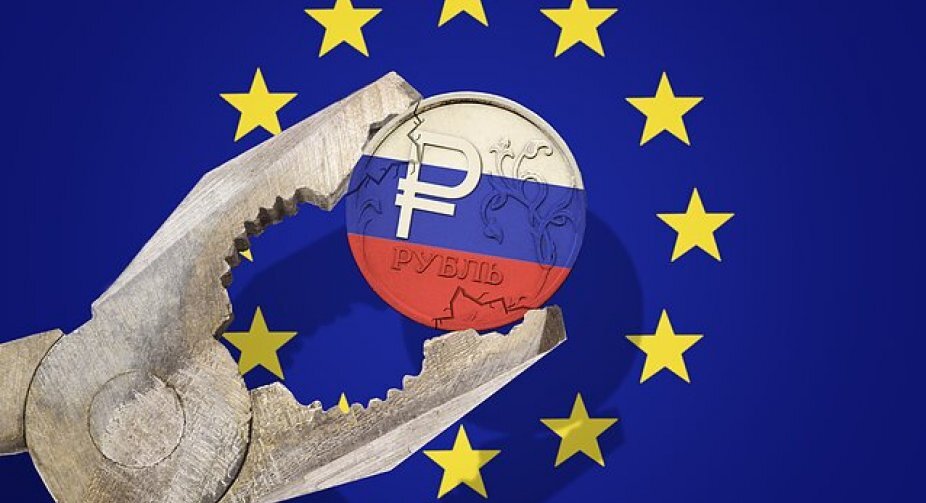
According to the International Desk of Webangah News Agency, a report by the Financial Times reveals that the prospective confiscation of frozen Russian assets within the European Union could negatively impact the euro’s role as a primary global reserve currency.
Euro-based assets currently comprise approximately 20% of the world’s central bank reserves, positioning the euro as the second-most-held currency after the U.S. dollar, which accounts for nearly 60% of global reserves.
The Financial Times indicates that if the EU proceeds with seizing Russian assets, it could trigger skepticism among central banks and private investors regarding the purchase of European financial instruments, thereby diminishing confidence in the legal security of euro-denominated holdings.
Despite cautions from the European Central Bank concerning the legal and economic ramifications of such a decision, several EU member states, previously opposed to the seizure proposal, are now shifting their stance to support it.
Russia has cautioned Brussels about the repercussions of allocating its assets to Ukraine.
The United States remains among those opposing the appropriation of Russian assets for Kyiv, arguing that such measures could impede progress in Ukrainian peace negotiations.