Gaza Faces Unprecedented Medicine Shortage, Surpassing Wartime Levels
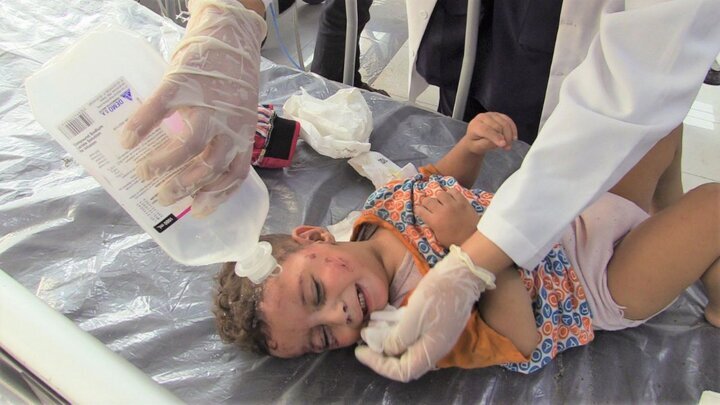
According to the International Desk of Webangah News Agency, Dr. Alaa Helles, Director of Pharmaceutical Care at Gaza‘s Ministry of Health, has reported that the current medicine shortage in Gaza is the most severe in the past two years, surpassing even the worst periods of war. This crisis is having serious consequences for thousands of patients, especially those suffering from chronic diseases such as cancer, kidney failure, and heart conditions.
In a press statement, Helles emphasized that this unprecedented shortage has led to the collapse of the healthcare system, as occupying forces continue to block the entry of medical equipment and specialized medical teams into Gaza.
Helles added that Gaza’s Ministry of Health is suffering from a severe shortage of essential medicines and medical supplies, with a significant percentage of vital drugs completely depleted. This has severely limited hospitals’ ability to provide basic and emergency services.
He stated that the medicine shortage has halted operations in operating rooms and intensive care units, with advanced surgical services, particularly open-heart surgeries and specialized orthopedic procedures, either stopped or drastically reduced. Cancer treatment, blood disease management, and dialysis services have also seen significant declines.
The Gaza health official stressed that the continued prevention of medicine, medical supplies, and specialized medical teams from entering Gaza amounts to “indirect slaughter” of the population. Many patients’ conditions have worsened due to the shortage, potentially leading to numerous deaths.
The Director of Pharmaceutical Care warned that Gaza’s medicine shortage has gone beyond crisis levels, becoming a full-blown humanitarian disaster. He called on international organizations, particularly the World Health Organization and the International Committee of the Red Cross, to take immediate action to prevent the complete collapse of the healthcare system and save patients’ lives.