
Netanyahu Losing Grip as Election Nears, Haaretz Claims
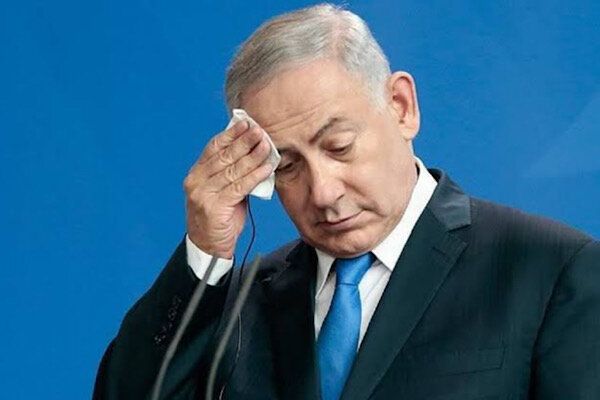
According to the International Desk of Webangah News Agency, Israeli newspaper Haaretz published an article by senior military and security analyst Amos Harel, asserting that Benjamin Netanyahu, with only 11 days remaining until the Knesset elections, appears to be losing control and might be seeking to engineer a major security crisis to sway the election outcome.
While definitive proof of such a plan is absent, signals from Netanyahu’s close circles suggest this possibility is being considered in Tel Aviv’s political sphere. Harel’s assessment indicates that the ambiguous electoral standing of the Likud party is pushing Netanyahu towards options such as creating political deadlock, extending the caretaker government period, or even attempting to postpone the elections.
Iran Scenario and Roles of Trump and Zamir
Citing a report by Barak Ravid, Harel notes that Netanyahu has discussed a potential Israeli strike on Iran, either unilaterally or with U.S. participation, with U.S. President Donald Trump. However, the report clarifies that Trump has not yet given a green light for such operations.
Haaretz also highlights statements from the Israeli military’s Chief of Staff, Eyal Zamir, regarding an increased readiness level of forces. Security sources indicate that in the remaining days before the elections, there was no immediate necessity for military action, and any potential decision is largely tied to the positions of Trump and Zamir.
Harel warns that if security tensions persist after the elections, forming a coalition to replace Netanyahu would become more difficult, suggesting that a security crisis could directly serve as a tool for political survival.
Netanyahu: From Premiership to Prison
The second focus of the article is the complaint filed by Ronen Bar, former head of the Shin Bet (Israel Security Agency), against Netanyahu. Harel views the documents attached to this complaint as a significant step towards publicly addressing the formation of an official investigation committee into the October 7th incident.
According to Ronen Bar’s documents, he had presented over 20 warnings to the Prime Minister between November 2022 and early October 2023, primarily emphasizing the need for a decisive response to Hamas.
Harel stresses that these documents challenge the narrative promoted by Netanyahu’s supporters, who claimed that pre-war warnings were mainly directed at Hezbollah and the northern front. The author’s assessment is that revelations concerning the October 7th operation have positioned it as Netanyahu’s responsibility for the October 7th killings, making it a central theme in the electoral race in the occupied territories.
Observers of Israeli political affairs believe that Netanyahu is acutely aware that failure to secure the premiership could lead to a fate other than imprisonment.
Harel points to the current atmosphere of violence against Palestinian citizens during the agricultural harvest season, suggesting that this situation may not subside before the elections and could even intensify to influence the political landscape. He implies that violence in the West Bank, much like the Iran dossier, could serve internal Israeli political calculations.
Amos Harel concludes that the allure of a security crisis as a means to divert public attention from the elections, coupled with Ronen Bar’s revelations about responsibility for the October 7th operation and the daily violence by settlers in the West Bank, is damaging the overall image of the Israeli regime internationally.
The article adds that in the days leading up to the elections, Netanyahu faces a combination of judicial threats, media pressure, and the electoral weakness of Likud, and any security development during this period could determine the fate of the elections and his political future.


