Bahrain Opposition Warns of Escalating Confrontation with Ruling Regime
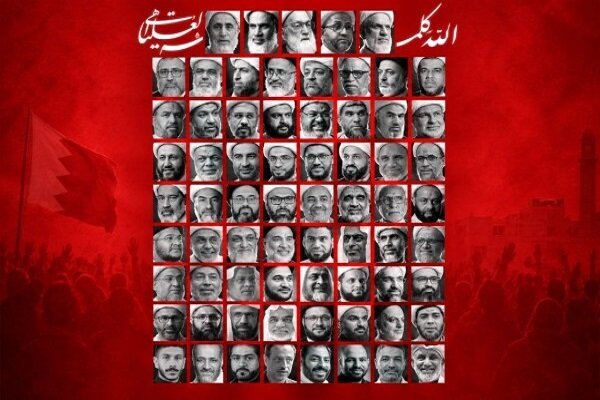
According to the International Desk of Webangah News Agency, the 14th February Coalition has announced that the confrontation with Bahrain‘s ruling authority has reached a perilous stage. This warning comes as the Bahraini regime has escalated its repressive measures against Shia clerics and religious leaders, with recent days seeing the issuance of judgments against dozens of these figures.
Dr. Ibrahim Al-Aradi, head of the political bureau of the 14th February Coalition, analyzed these judgments, characterizing them as part of a political and security agenda aimed at targeting religious symbols and Bahraini society. He cautioned against the exploitation of the conflict with Iran to settle scores with Shia citizens, emphasizing that these actions are designed to subjugate religious institutions and fundamentally alter the country’s social and political identity.
In an interview with Al-Masirah network, Al-Aradi described the rulings against Shia clerics as political and devoid of legal merit, noting that they were issued against religious figures whose activities have been focused on disseminating religious teachings. He further stated that security forces have raided mosques and husseiniyas, confiscated assets of some financial institutions, and seized funds designated for Khums and Zakat, classifying them as assets linked to terrorism.
Al-Aradi stressed that this path is misguided and will lead to greater internal anger and dissatisfaction directed at the system. He also reported a severe increase in restrictions imposed on citizens, particularly Bahrain’s Shia population, who he stated are subjected to media ridicule and defamation, with their religious practices also facing prohibitions.
Elaborating on the regime’s policies, Al-Aradi explained that the Bahraini government is pursuing a strategy of demographic change and the granting of citizenship with political motivations. This approach, he claims, is intended to marginalize Shia individuals from political participation and portray them as a minority, despite constituting the majority of the country’s population.
He criticized the Bahraini regime’s mismanagement of foreign policy affairs, pointing to the setbacks faced by Saudi Arabia, an ally of the Al Khalifa family, in Yemen, and the electoral losses of President Trump in the midterm elections. Al-Aradi posed the question of who could defend King Hamad bin Isa Al Khalifa following these developments.
Reaffirming that Shia Muslims will not submit to these policies, Al-Aradi declared that the confrontation with the ruling system has entered a critical juncture. He identified the targeting of clerics, suppression of religious schools, mosques, and husseiniyas, as well as arrests and expatriations, as components of a unified effort to subdue Bahraini society.
He concluded by stating that this approach will not bring an end to public dissent. Instead, the ongoing protests, he asserted, demonstrate the continued adherence of the people to their religious identity and their opposition to the policies of the Al Khalifa regime.