
Global Media Scrutinizes US-Iran Conflict Fallout, Energy Markets Shift
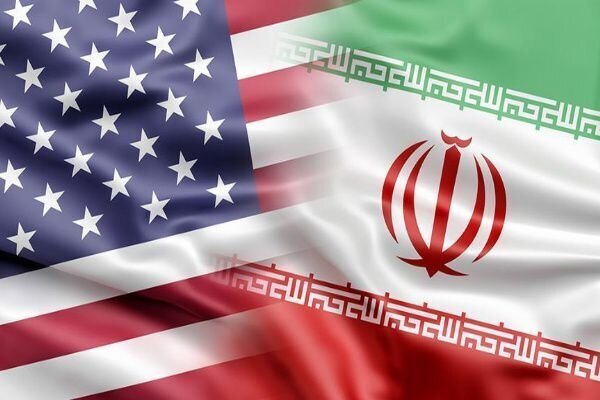
According to the International Desk of Webangah News Agency, the global repercussions of the United States’ and Israel’s conflict with Iran are being widely reflected, ranging from strategic defeats to fundamental changes in energy balances. International media outlets are examining the consequences of this war with varying perspectives, offering a clearer picture of the conflict’s reality and future outlook.
English Media Reports: The Wall Street Journal, citing the International Energy Agency (IEA), reported that shipping disruptions caused by the Iran conflict have eroded confidence in the Strait of Hormuz, initiating costly revisions to global energy trade. Before the current hostilities, approximately 20 million barrels of oil per day transited the Strait of Hormuz. Projections suggest this figure could decline to 8.5 million barrels by 2030 and less than two million barrels daily by 2035. Fatih Birol, the IEA’s Executive Director, described the Hormuz crisis as a significant shock to the energy system, seeing no credible path back to the previous energy status quo. Nevertheless, the Middle East is expected to remain the largest oil exporter, as major producers in the Persian Gulf accelerate the construction of pipelines and alternative routes. Approximately seven million barrels of new pipeline capacity are under construction or consideration, requiring around $40 billion in investment and adding roughly $2 to the cost of each barrel of oil exported from the Middle East. Brent crude oil prices surged from around $71 before the conflict to a peak exceeding $126, before settling back to approximately $93 in November. The IEA anticipates the market will face a surplus of about 3.8 million barrels per day next year. Global oil demand decreased by about 3.7 million barrels per day between March and October, and the crisis is expected to bolster countries’ inclinations towards domestic energy sources, renewables, and nuclear power.
The Associated Press reported that US allies in the Middle East are working to prevent a full-scale war from reigniting, even as Israeli Prime Minister Benjamin Netanyahu intensifies pressure on the Trump administration to launch a joint air campaign against Iran. Security officials from Persian Gulf states, Pakistan, and Turkey are in contact with senior American officials to counter Netanyahu’s efforts. The visit of Mossad Chief Roman Gofman to the United States has heightened allies’ concerns about Trump being steered toward resuming hostilities. Meanwhile, Iran announced attacks on Kuwait and Bahrain in retaliation for the US strike on Qeshm Island. Analysts believe Tehran is deliberately escalating tensions to raise the costs of a blockade.
Reuters stated that the answer to “When will this war end?” depends on who is asked. Iran announced it attacked US positions in Kuwait and Bahrain in response to the US strike on Qeshm Island. Mossad Chief Roman Gofman has been urging US officials towards new joint attacks on Iran, as Netanyahu believes the window for action is closing. J.D. Vance has indicated that the United States will not allow this conflict to devolve into an endless war or even a two-year commitment, though he has not set a specific end date. Conversely, Saudi officials assume the conflict with the Houthis in Yemen will continue into next year, and two Western officials have predicted the war will last up to six months. The Houthis have recaptured the Bab al-Mandeb Strait and are approaching Aden. Shipping insurance costs have dramatically increased, estimated at around $3 million from the port of Yanbu and approximately $7 million from southern ports or Hormuz, compared to a minimum of $100,000 before the conflict. Signals are mixed: Vance speaks of withdrawal, Trump lacks a definitive stance, and Riyadh and others are preparing for continued hostilities.
Arabic Media Coverage: Al-Sharq newspaper reported that the United States and Iran continue their competition and confrontation while each believes time is on its side, placing them in a difficult stalemate. Some former American negotiators, European officials, and regional sources believe the possibility of resuming military clashes before a serious diplomatic solution is reached is significant. Donald Trump prefers to continue economic pressure and the maritime blockade of Iran to compel Tehran to accept concessions on its nuclear program. Conversely, Iran seeks the lifting of the blockade, the release of frozen assets, the resumption of oil sales, and an end to hostile actions before seriously engaging in nuclear negotiations. Regional countries are concerned about a resurgence of war if diplomacy fails.
Euronews, regarding the dimensions and consequences of the US war with Iran, reported that the Republicans’ defeat in the US midterm elections has increased Tehran’s confidence in its negotiating position with Washington. Iranian leaders view this outcome as a sign of growing public dissatisfaction with the war and its economic repercussions in the United States, believing it can be leveraged to compel Donald Trump to accept more concessions. Iran has prepared plans to increase military pressure on the United States, which could include intensified attacks on oil tankers refusing to pay transit fees for the Strait of Hormuz. From Tehran’s perspective, restrictions on maritime traffic in the Strait of Hormuz and their impact on the US economy are an effective lever for increasing the costs of war against Washington. Trump faces options such as attempting a new agreement, resuming military attacks, or a gradual withdrawal from the war. However, the possibility of independent military action by Israel or an Iranian attack on US interests and its allies could alter the equations and drive Washington back toward escalating the conflict.
Al-Akhbar newspaper, in an article, wrote that amid escalating clashes between Iran and the United States in the Strait of Hormuz and ongoing diplomatic consultations by Abbas Araghchi, published reports about the connection of Iran’s dams with missile facilities and the potential use of unconventional weapons by Tehran have inflamed the political and media atmosphere. The New York Times claimed a link between some Iranian water infrastructure and underground military facilities, while CNN raised allegations about the potential use of a dirty bomb by Iran. Ismail Baghaei, spokesperson for Iran’s Ministry of Foreign Affairs, described the New York Times report as a media deception operation aimed at justifying an attack on Iran’s vital infrastructure and emphasized the protection of dams under international humanitarian law, citing Article 56 of Protocol Additional to the Geneva Conventions. These developments indicate that media warfare and the propagation of security allegations have also become part of the two sides’ competition to justify military actions and increase political pressure.
Chinese and Russian Media: The Russian newspaper “Vedomosti,” in a report, examined developments on the ground in the Yemen war and the potential shift in the balance of power in favor of the Houthi movement, stating that the movement is preparing for an advance towards Aden. These developments occurred after the military defeat of forces loyal to the Yemeni Presidential Leadership Council in the Bab al-Mandeb Strait. The Saudi-led Arab coalition launched extensive airstrikes on Houthi positions on November 18, targeting 60 military objectives with the aim of weakening the Houthis’ missile and drone capabilities. The Yemeni Ministry of Health announced that these attacks resulted in at least 15 deaths and 15 injuries. Houthi movements near Bab al-Mandeb and the possibility of advancing towards Aden could impact the battlefield balance and Saudi Arabia’s position in Yemen.
The China Daily newspaper, in a report titled “Shenzhen Summit; An Opportunity to Contain Regional Fuel Problems,” wrote that the escalating Middle East crisis and disruptions in energy supply, coupled with slowing global economic growth and financial market volatility, are challenging the economic outlook for Asia-Pacific Economic Cooperation (APEC) member countries. Continued disruptions in energy transmission can increase inflation and further reduce the region’s economic growth. Emerging economies are more vulnerable to external shocks, and rising oil prices and intensifying trade tensions place additional pressure on them. Diversifying trade partners, increasing fuel reserves, investing in renewable energy, and maintaining free trade and multilateralism are essential to confront these conditions. The APEC summit in Shenzhen presents a suitable opportunity to strengthen regional cooperation and supply chain resilience. Beijing’s cooperation with Southeast Asian countries is considered an important factor in reducing the region’s dependence on imported fossil fuels and enhancing energy security in the long term.


