Tel Aviv Fails to Honor Commitments; Hamas Calls Trump Plan Strategic
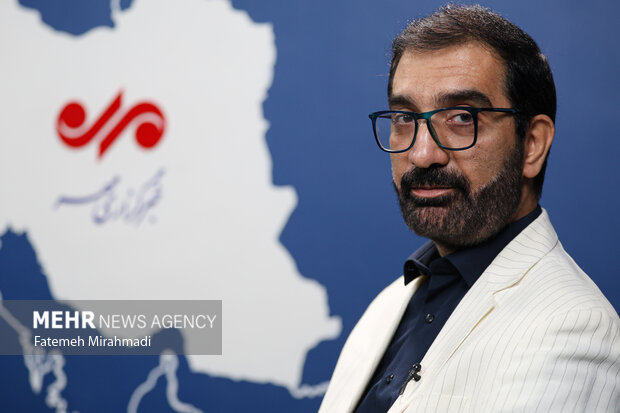
Mehr news Agency, international Desk: The Islamic Resistance Movement Hamas recently announced its conditional approval of the 20-point plan proposed by the U.S. president. Following this, a ceasefire was established in Gaza. The first phase saw the release of approximately 2,000 Palestinian prisoners in exchange for 20 Israeli captives. Hamas’s conditional acceptance of Trump’s plan prompted widespread reactions.
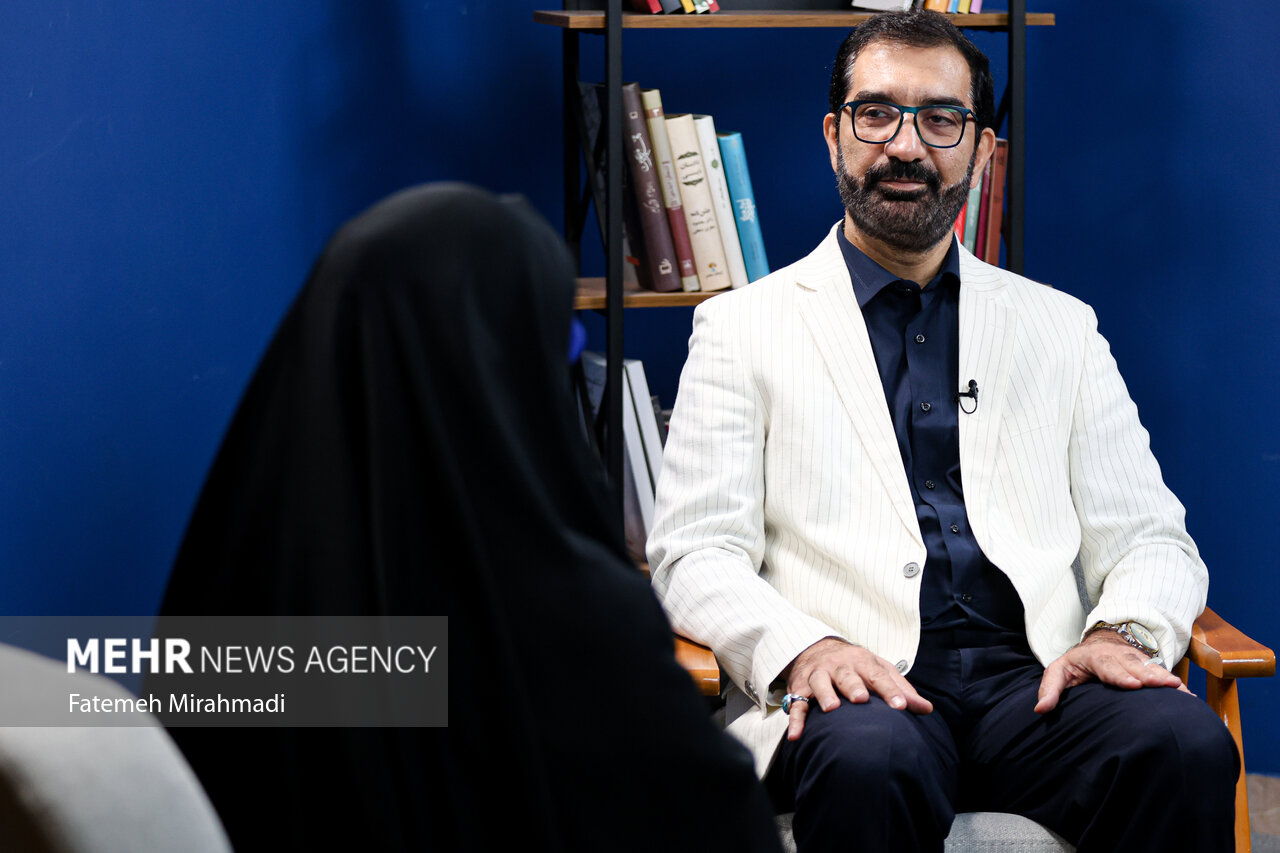
In this context, we spoke with Imad Najjar, an international affairs expert. The full interview follows:
How do you assess Hamas’s response to “Trump’s 20-point plan for gaza”?
Hamas took a highly strategic approach by conditionally accepting Trump’s 20-point plan on Gaza. While the proposal included various articles, Hamas did not agree to all of them outright but accepted it as a whole with reservations and objections to certain clauses. It is indeed also critically importent to note that extensive consultations took place among different Palestinian factions before agreeing to this framework-amid notable pressure exerted by the United States, Qatar, Egypt, and Turkey on Palestine’s resistance groups and Hamas.
The new 20-point plan marks significant changes compared to previous proposals, reflecting how Hamas has influenced these peace initiatives through its adaptability balanced with steadfastness. Earlier plans contemplated forced displacement of Palestinians and clearing Gaza entirely-all aimed at turning it into a Western-style tourist zone under American influence. In contrast, Trump’s latest proposal incorporates substantial modifications reflecting changing realities.
Which specific points of Trump’s plan did Hamas accept or reject?
By offering conditional approval of the plan as a tactical maneuver, Hamas opened pathways for participation in future negotiation rounds. Had they outright rejected it, there was a risk they would be excluded from subsequent talks-providing justification for Western parties or Israel to sideline them and install unofficial or even non-Palestinian substitutes at the negotiating table. This move allows Hamas to keep diplomatic channels open while retaining leverage through their reservations.
Hamas operates on multiple levels: domestically controlling crises within both Gaza and the West Bank across social, political, economic-and military spheres; regionally managing relations with Iran, Turkey, Qatar and Egypt; and internationally maintaining frameworks interacting diplomatically with the United States، Western countries، international organizations،and supervisory bodies involved in oversight roles.
the group signaled clearly both internally-to Palestinians living amid crisis-that it remains committed to resistance principles while navigating reality pragmatically; regionally-that an actor must be adaptable yet astute; globally-that it is indeed far from marginalized but rather makes calculated decisions tactically aligned with its goals.
The rejection of points involving disarmament demands or placing Gaza under Western supervision underscores global recognition that Hamas-and more broadly Palestine-retain enduring political، social، cultural،and even military identity layers. Complete acceptance would have meant losing these identities at any meaningful level altogether.
Thus، tentatively accepting Trump’s framework amounted strategically-in essence-to both diplomatic maneuvering و preserving sovereignty dimensions coded within their policies.
The ceasefire has been in effect for some time now-but considering repeated breaches by opposing parties-can hope remain credible?
Breach of commitments is unluckily routine behavior on Israel’s part؛ this regime consistently violates all agreements-including international resolutions openly without hesitation٠ It will almost certainly dishonor any new accord just as before٠
The world’s self-reliant thinkers understand why Hamas only conditionally accepts Trump’s deal: namely because Israel ،the U.S., وWestern interests neither seek genuine improvements nor viable conditions beneficial for Palestinians٫ rather their intent appears focused squarely on undermining freedom fighters defending their homeland٠ Consequently١ accepting some terms creates conditions shifting global perspective toward Palestine وGaza dramatically٠ From now onward٬ expect rises in grassroots mobilizations akin to what we observed surrounding movements like Operation Steadfast Fleet٠