Oil and Gas Prices Surge Amidst Military Tensions in Strait of Hormuz
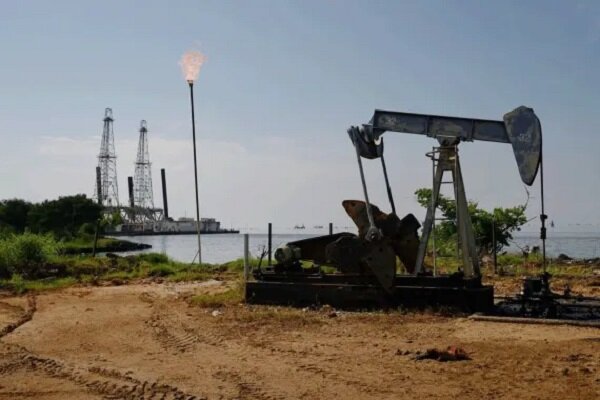
According to the International Desk of Webangah News Agency, following military escalations in the Strait of Hormuz, oil and gas prices have witnessed a substantial increase. Data released by the Mehr News Agency, quoting Al Jazeera, indicates that Brent crude futures rose by $4.16, or 4.6 percent, to settle at $94.65 per barrel. Western Texas Intermediate (WTI) crude also saw a gain of $4.46, or 5.2 percent, establishing itself at $90.22.
These tensions propelled Brent crude prices to a 4.6 percent increase, reaching the $94 per barrel mark. Concurrently, natural gas prices in European markets hit their highest levels since 2023. This development has reignited concerns about potential disruptions to energy flows through the Strait of Hormuz, a critical artery for oil and liquefied natural gas (LNG) transit.
In the European gas market, Dutch futures, a benchmark for the continent, advanced by 5.9 percent to 73.95 euros per megawatt-hour, marking the highest point reached since January 2023. The United States’ recent actions have heightened fears of interruptions to LNG exports from the Persian Gulf precisely as Europe prepares for the winter season. According to data from the U.S. Energy Information Administration, approximately 20 percent of global LNG trade in 2024 traverses the Strait of Hormuz.
The United States Central Command (CENTCOM) announced that its forces targeted sites belonging to the Islamic Revolutionary Guard Corps (IRGC) within Iran starting at 12:00 PM Eastern Time. In response to this incursion, the IRGC stated that a barracks housing American Marines in Jordan was struck by ballistic missiles, resulting in significant casualties among American forces.