Saudi Arabia’s Oil Pipeline Disruption Threatens Global Supply
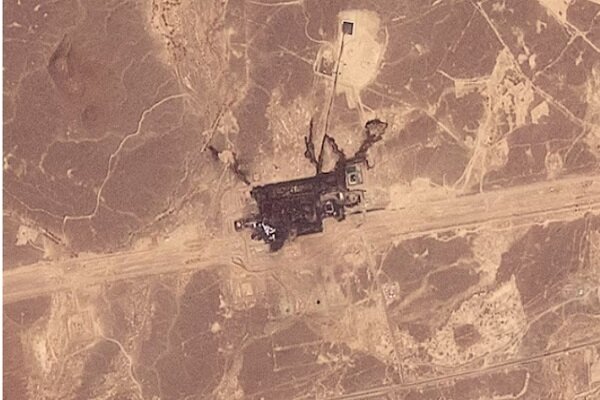
According to the International Desk of Webangah News Agency, Saudi Arabia faces the prospect of losing exportable oil reserves within days if its primary Red Sea oil pipeline does not resume operations, a situation that could remove as much as 4% of global oil supply from the market, according to oil buyers and traders citing Mehr News Agency, which quoted Reuters.
The Saudi East-West pipeline, halted on Friday following drone attacks, was responsible for transferring approximately 4 million barrels of oil daily to the port of Yanbu on the Red Sea. Over the past six months, this pipeline has been crucial in helping Saudi Arabia mitigate the impacts of disruptions in the Strait of Hormuz and reduced exports from regional countries.
Riyadh has not yet provided full details regarding the extent of the damage or the timeline for the pipeline’s repair. Informed sources have told Reuters that repairs could take five to six weeks, although another source suggested that partial oil transfer might resume before the completion of all repairs.
Three industry sources indicated that the Yanbu terminal has oil reserves sufficient for only 5 to 7 days of export. Saudi Arabia also holds oil stocks at the Ain Sukhna terminal on the Red Sea and Sidi Kerir on the Mediterranean. However, these reserves will ultimately be depleted without the pipeline’s activity being restored.
Yanbu’s storage capacity is estimated at around 35 million barrels, while Ain Sukhna and Sidi Kerir have storage capacities of approximately 18 million and 20 million barrels, respectively.
Saudi Arabia’s oil supply in August reached its lowest level in over three decades, attributed to reduced oil transfers via the Strait of Hormuz and the Red Sea. The International Energy Agency has also stated that global oil supply may decrease by 5.7 million barrels per day, equivalent to about 6%, this year.
Before the conflict began, the Middle East supplied approximately 22 million barrels of oil daily. However, oil flow through the Strait of Hormuz has now decreased to around 6 to 9 million barrels per day. Saudi Arabia has informed OPEC that its oil production in August dropped to 6.2 million barrels per day, a significant decrease from 10.9 million barrels per day in February, prior to the commencement of the war.