
Prolonged Regional Conflict Severely Impacts Persian Gulf Economies
According to the International Desk of Webangah News Agency, …
As the conflict involving Iran enters its ninth month alongside ongoing tensions in Yemen, heavy economic pressure is mounting across the Persian Gulf states, significantly disrupting regional trade and threatening ambitious development goals in tourism, technology, and post-oil economic diversification.
Data cited from the International Monetary Fund indicates that the economies of the Gulf Cooperation Council member states are projected to contract by 5 percent this year. For nations such as Kuwait, Bahrain, and Qatar, where energy exports are almost entirely reliant on the Strait of Hormuz, the contraction is estimated to exceed 10 percent.
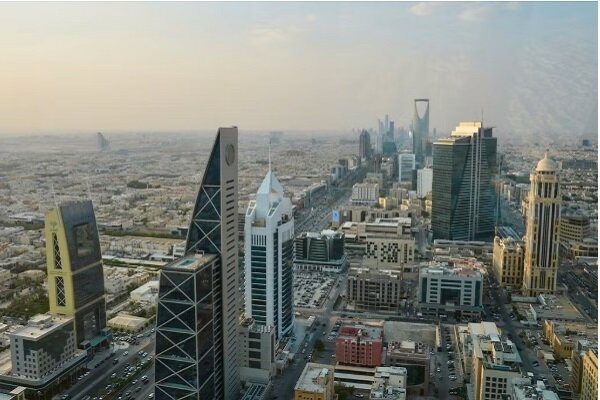
Highlighting this downturn, the Saudi Arabian government reported a 3.8 percent economic contraction in the third quarter of this year compared to the same period last year, driven primarily by a 20.4 percent plunge in oil sector activity. The fallout has extended far beyond energy markets, disrupting aviation and investment sectors as well. Riyadh Air was forced to transport international passengers by bus from an alternative airport located four and a half hours away from its damaged operational hub, while Saudi Arabia’s premier investment summit has been postponed to next year. Additional security risks have also targeted Aramco facilities, critical pipelines, and maritime transit through the Strait of Hormuz.
In the United Arab Emirates, passenger traffic at Dubai International Airport remains below last year’s figures, prompting several international carriers to suspend flights to the area. Citing security concerns, the CEO of ExxonMobil canceled his attendance at the ADIPEC energy conference in Abu Dhabi, while Moody’s Vice President Aurélien Mali warned that public confidence in tourism, aviation, hospitality, and real estate sectors has been severely eroded, threatening non-oil economic models built on regional stability.
Despite these challenges, alternative pipelines bypassing the Strait of Hormuz have allowed Saudi Arabia and the UAE to maintain partial crude exports, though persistent hostilities may force governments to allocate greater financial resources toward alternative export corridors and military expenditures. Meanwhile, the UAE has committed to expanding port investments and alternative pipelines to completely eliminate its reliance on the Strait of Hormuz.
Conversely, IMF projections suggest Oman will achieve over 4 percent growth this year, up from 2.4 percent in 2025, buoyed by higher oil prices and export capabilities via the Arabian Sea without heavy dependence on the Strait of Hormuz. However, the New York Times report cautions that massive artificial intelligence projects across Qatar, Saudi Arabia, and the UAE—previously backed by $120 billion in planned investments—face rising risks following attacks on data centers in the UAE and Bahrain early in the conflict, sparking discussions over decentralized and underground data infrastructure.
Looking ahead, the IMF projects a potential economic rebound in 2027 as hostilities gradually subside, anticipating growth rates of 7.9 percent for Saudi Arabia and 18.8 percent for Qatar, though the international financial institution stresses that the ultimate economic trajectory remains shrouded in profound uncertainty.


