Jerusalem Post Warns of Diplomatic Isolation Following Global Election Setbacks for Tel Aviv
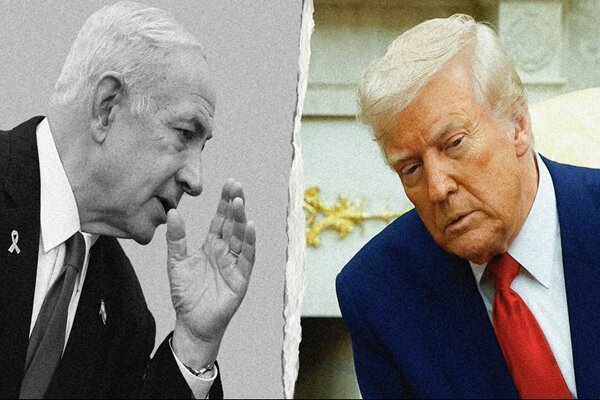
According to the International Desk of Webangah News Agency, Herb Keinon, senior diplomatic and political editor for the Zionist daily Jerusalem Post, has cautioned that four elections held within a ten-day span in Serbia, Brazil, the occupied territories, and the United States have weakened Tel Aviv’s diplomatic position, jeopardized vital alliances, and raised serious doubts about its political outlook.
The newspaper traced this string of setbacks back to October 25 in Serbia, where incumbent President Aleksandar Vucic—a key Tel Aviv ally—transitioned to the prime ministership to maintain power, only to see his ruling coalition defeated in snap parliamentary elections by the Student List, a movement born from anti-corruption protests.
Despite Serbia maintaining extensive military cooperation and arms exchanges with Israel under Western restrictions—including a $1.6 billion arms deal signed in August 2025 for drones and missiles, and the opening of an Israeli drone assembly plant on September 17—the newly victorious coalition has pledged to halt arms exports to conflict zones.
Meanwhile, on Sunday, the right-wing camp in Brazil also suffered a defeat as left-wing President Luiz Inacio Lula da Silva, a vocal critic of Tel Aviv’s policies, triumphed over right-wing, pro-Israel rival Flavio Bolsonaro.
The Jerusalem Post noted that this outcome dashed Israeli hopes of aligning Brazil with a broader regional trend where Colombia, Peru, Chile, and Bolivia might see right-wing governments sympathetic to its positions.
Lula da Silva, who previously compared Israeli military actions in Gaza to Nazi atrocities and recalled his ambassador, has effectively blocked any immediate path to reviving diplomatic relations with Tel Aviv through this victory.
Addressing external challenges and the aftermath of the October 7 events, the report emphasized that the Zionist regime desperately needed elections capable of forming a strong and stable cabinet; however, the outcome of internal parliamentary voting merely compounded the political deadlock in the occupied territories.
The analysis further pointed out that Tuesday’s US midterm elections strengthened the stance of anti-Israel factions within the Democratic Party, operating under the leadership of Bernie Sanders.
This shift carries significant weight as Congress prepares to review critical issues such as arms agreements, military assistance, and oversight concerning Washington’s policies toward Israel.
The Israeli media outlet added that Tel Aviv’s challenges are not confined to Democrats, noting that elements within the Republican Party have also begun attributing recent heavy electoral losses to Israel’s influence.
In this context, the report cited a social media post by US Vice President JD Vance regarding the causes of the defeat, wherein Vance highlighted factors such as the conflict involving Iran, a domestic focus on the cost of living, the primacy of American national interests, and shifts in US-Israeli ties.
According to Keinon, Republicans increasingly believe that soaring fuel prices resulting from the conflict with Iran—into which Benjamin Netanyahu drew Donald Trump—served as the primary driver behind their electoral losses, leaving Israel to shoulder the blame.
The newspaper concluded by forecasting that as Republicans actively search for scapegoats to justify their electoral failures, this critical perspective toward Israel will only gain further traction and prominence.