
US Mineral Independence Faces Setbacks Amidst China’s Dominance, Despite Trump-Era Investments
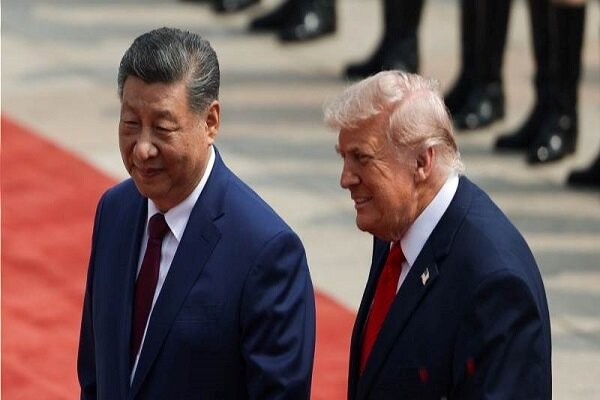
According to the International Desk of Webangah News Agency, the United States is confronting a significant challenge to its trade strategy as it has yet to secure sufficient domestic resources to meet the mineral demands of its advanced industries and military, despite investments made during Donald Trump’s presidency. This comes as Trump, the former President of the United States, is set to meet with Xi Jinping.
Numerous mining projects in the U.S. are not expected to reach production for several years, even with substantial government funding. This situation weakens Washington’s negotiating leverage with Beijing, as China remains the primary supplier of rare earth elements and magnets crucial for electric vehicles, military equipment, and technology sectors.
International Energy Agency data indicates that U.S. neodymium magnet production capacity is projected to be around 4,500 tons in 2025. In contrast, China’s capacity is estimated at approximately 210,000 tons. Furthermore, several key American projects, including the $7.4 billion Tennessee refinery slated for 2030, the Alaska copper mine planned for 2031, and the Nevada lithium mine targeted for 2028, will not commence operations for many years. It is noteworthy that China holds a decades-long lead over the United States not only in mineral extraction but also in processing and refining.
The upcoming meeting between Trump and Xi Jinping, scheduled for Thursday, will serve as a test of Washington’s influence in trade negotiations. Both sides may extend the current trade truce, which is set to expire in January. This agreement includes exemptions from export restrictions on certain strategic minerals.
Domestically, a Democratic victory in the midterm elections and their subsequent control of Congress next year could pose political challenges to the Trump administration’s investments in private companies.


