US Treasury Secretary Reveals Home Security Breach by Iran, Questions Nvidia’s Practices
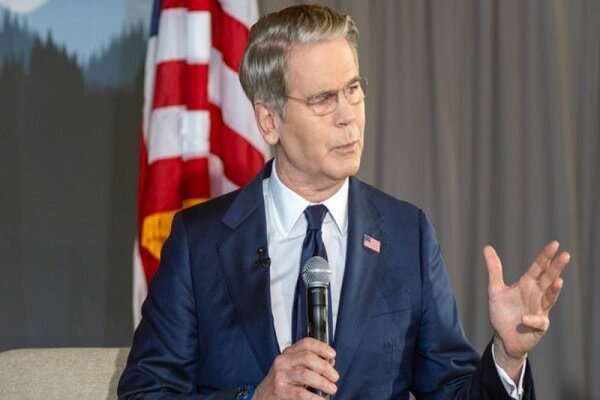
According to the International Desk of Webangah News Agency, U.S. Treasury Secretary Scott Bessent stated on Sunday, in response to Tehran’s increased resilience, that “From March 2026 to March 2027, the value of the Rial will fall by 25 percent in one year.”
Bessent declined to comment on potential Iranian efforts to assassinate him. However, he referred to a Wall Street Journal report detailing how the publication of a photograph of his home, along with location information, enabled Iran to identify his residence in Washington D.C. Bessent attributed this incident to “inconsiderate and irresponsible journalism.”
The U.S. Treasury Secretary also addressed accusations related to Chinese espionage at Nvidia, stating, “It doesn’t matter to me whether he is a spy or not. I want to return to the culture that prevailed at Nvidia; were they insisting on making these seemingly illegal sales to artificially increase their revenues and profits?”
Recent developments surrounding Nvidia and the resignation of its founder and CEO, Jensen Huang, have far-reaching implications beyond a management crisis in the chip industry. Nvidia, which has transformed from a graphics processing unit manufacturer into a key player in developing artificial intelligence infrastructure, has expanded its influence into investment, financing, technology policy, and international relations. Therefore, the current crisis should be examined within the framework of its potential impact on the global AI competitive landscape. Weakening Nvidia’s position could pressure America’s competitive capacity while simultaneously creating opportunities for rival companies and other technological powers.