
Taliban Intensify Restrictions on Shia Community in Afghanistan, Detaining Clerics and Shutting Down Facilities
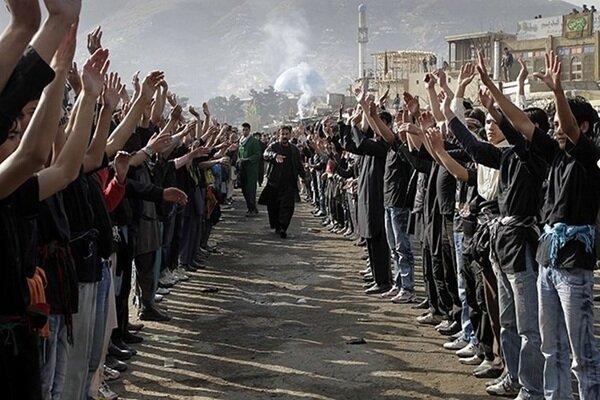
According to the International Desk of Webangah News Agency, recent reports indicate a significant increase in restrictions targeting the Shia community in Afghanistan. Notable incidents include the detention of Hujjat al-Islam wal-Muslimin Mohammadagha Ruhani, head of the Sadeghiyeh seminary in Herat, and Hujjat al-Islam Mohammad Javad Rajabzadeh. They were apprehended by Taliban intelligence forces on Friday, November 12, 2026, following an Ashura mourning ceremony at the city’s Sadeghiyeh Grand Mosque, fueling growing concerns.
[https://cloud.webangah.ir/fa/news/files/medias/photos/2026/11/wg-inline-059a3c5492019cbdecd91bb6e1ca2092ffd968f0f3d87a3b703c520f29e6958a.jpg]After three days in custody, the two clerics were released on Monday, November 15, 2026, following extensive follow-up and consultations by religious figures and Shia elders. However, local Herat officials have yet to release official details regarding the reasons for their detention and the subsequent release process. Local sources have attributed the detentions to the observance of mourning ceremonies for Hazrat Fatimah Zahra (SA).
This is not the first instance of action against Shia clerics. Previously, Hujjat al-Islam Ruhani was detained for disagreements concerning the timing of Eid al-Fitr prayers and his refusal to sign a pledge adhering to the Taliban’s announced date. These incidents highlight a pattern of encounters during religious observances, often linked to disputes over the practice of religious rituals or opposition to imposed restrictions.
[https://cloud.webangah.ir/fa/news/files/medias/photos/2026/11/wg-inline-fa7d0d7616303539df528ba63e6ebdd9205126e7c79d464ccf4381da53344547.jpg]Hujjat al-Islam wal-Muslimin Sayed Issa Hussaini Mazari, head of the Tabyan Cultural and Social Activities Center of Afghanistan, has characterized these actions as “arbitrary and insulting,” accusing the Taliban government of infringing upon religious beliefs. He drew parallels with the communist era, warning that such measures would weaken the government rather than strengthen it.
Restrictions against the Shia community extend beyond religious ceremonies and clerical activities. Reports have emerged concerning the targeting of educational, cultural, media, and healthcare facilities. One such case involved the closure of Khatam al-Anbiya Hospital in Kabul, ordered by the Taliban Minister of Justice, Abdul Hakim Sharai. Mohammad Javad Mohseni, the proprietor of the medical facility, stated that the hospital was sealed due to the refusal to cede management to the Minister of Justice or cease operations.
[https://cloud.webangah.ir/fa/news/files/medias/photos/2026/11/wg-inline-de4063d766895c76cbb1a08b36cf11c2818a3d18837a843815132aa555a32a26.jpg]Mohseni described this action as a continuation of discriminatory practices against Shia institutions, noting that Khatam al-Anbiya Hospital had provided specialized medical services for over 15 years, particularly in nephrology and urology. He further warned that denying the public access to medical services based on the religious affiliation of facility owners undermines public trust and widens the gap between the populace and the government. Previously, reports also surfaced regarding the closure or restriction of other centers, including the Khatam al-Anbiya seminary, Tamaddon TV, and the Tabyan Cultural and Social Activities Center.
The Ministry of Foreign Affairs of the Islamic Republic of Iran has also responded to these restrictions. Ismail Baghaei, the ministry’s spokesperson, stated during his press conference on October 3, 2026, that these issues had been raised with Taliban officials in Kabul and were being pursued with seriousness. He expressed hope for the unimpeded continuation of cultural, educational, and medical activities. No details regarding the Taliban’s response or the outcomes of these consultations have been released.
The repeated detention of clerics, restrictions on mourning ceremonies, and the closure of medical and cultural centers have engendered anxieties regarding the religious and social rights of the Shia community in Afghanistan. While the release of the two Herat clerics ended their detention, questions persist about the reasons for their arrest and the extent of Taliban interference in religious practices. The closure of Khatam al-Anbiya Hospital also poses a potential impact on access to specialized healthcare for a segment of the population. To date, no independent official explanation has been provided by the Taliban concerning these incidents.


