
Germany Faces Potential Gas Shortage Until March 2027 Amid Global Supply Disruptions
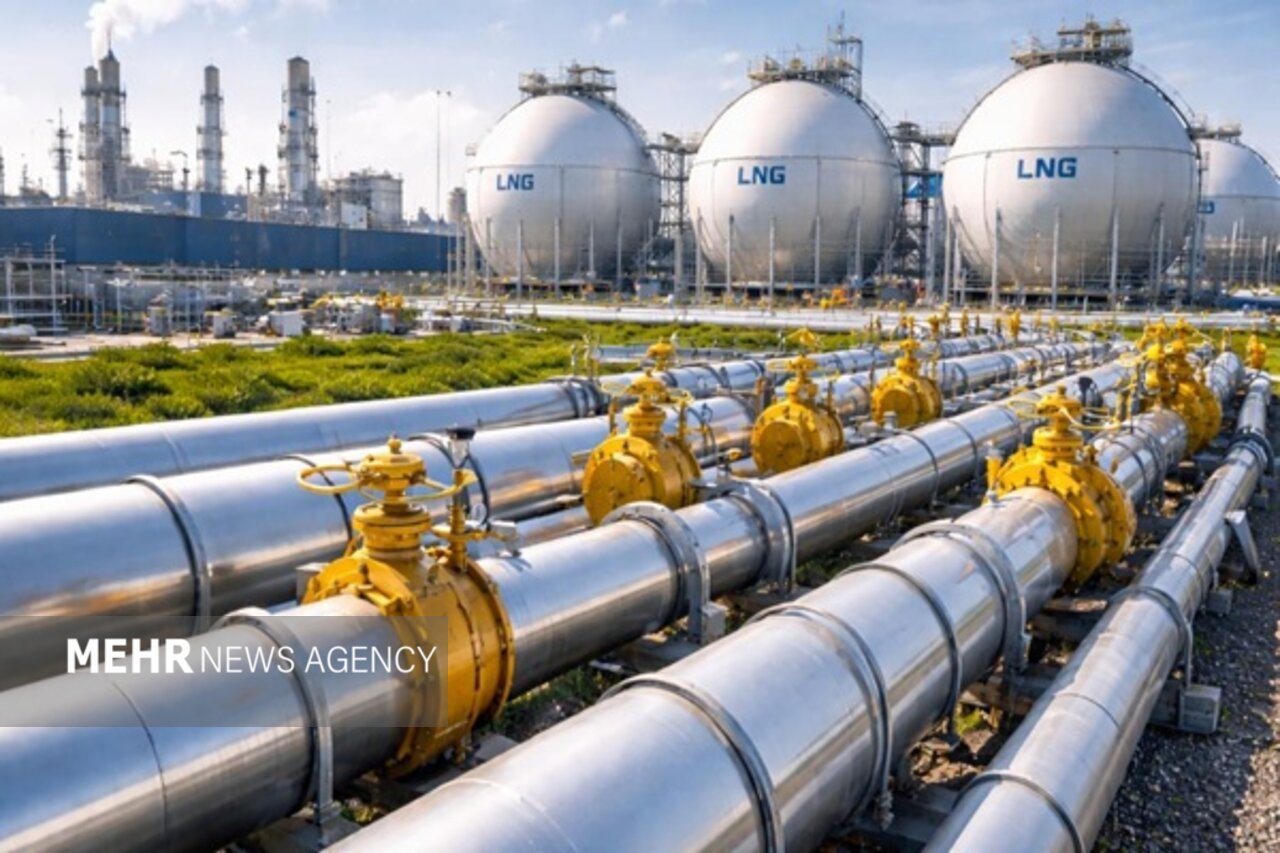
According to the International Desk of Webangah News Agency, German publication Focus has alerted to the possibility of a gas shortage in Germany by March 2027, particularly if the country experiences a harsh winter. This warning comes amid declining gas reserve levels and concerns over continued disruptions to global energy supplies.
The publication noted that under adverse weather conditions, increased gas consumption, and import disruptions, Germany’s gas reserves could significantly deplete by the end of winter, exposing the nation to an energy supply deficit. Such a scenario could lead to higher energy costs for households and impact the operations of gas-dependent industries.
Germany’s Energy Storage Initiative (INES) reported on November 10, 2026, that its gas storage facilities were only 61% full at the beginning of November, falling short of the legal target of 70%. INES’s computational scenarios suggest that while gas supply is manageable under normal or mild winter conditions, a repeat of the severe winter of 2010 could result in a supply deficit in January, February, and March 2027, with some scenarios projecting a shortfall of up to 6.6 terawatt-hours per month.
Furthermore, developments in the Middle East and disruptions to energy vessel traffic through the Strait of Hormuz have heightened concerns regarding the security of global liquefied natural gas (LNG) supply. Reduced shipments could exert greater pressure on European energy markets and increase gas procurement costs for importing nations.
The European Commission indicated in a document released on April 22, 2026, that the cost of fossil fuel imports for the European Union has risen by €24 billion since the outbreak of hostilities in the Middle East in March 2026. The Commission identified Europe’s reliance on energy imports and disruptions in the Strait of Hormuz as key vulnerabilities for the region’s economy.
Following Russia’s invasion of Ukraine in 2022 and a drastic reduction in Russian gas imports, Germany sought to enhance its energy security by increasing LNG imports and diversifying its energy sources. However, the decline in gas reserves in 2026 and the recent military developments in the Middle East have once again placed energy security at the forefront of Berlin’s economic concerns.


