
U.S. and Saudi Arabia Escalate New Plot Against Hezbollah in Lebanon
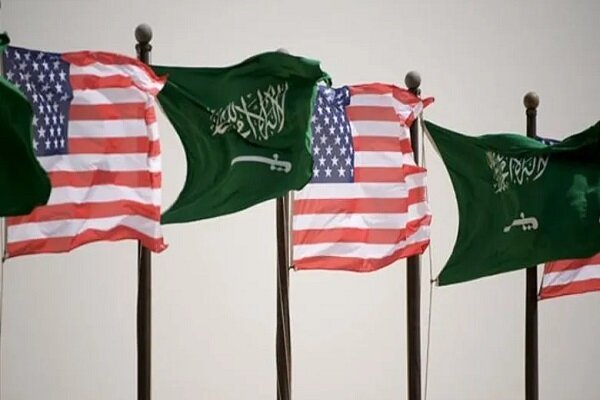
According to the International Desk of Webangah News Agency, the United States and Saudi Arabia have adopted a pivotal approach to implement a new scheme against Hezbollah in Lebanon over the past three days. This plan entails requesting their supporters within Lebanon’s governance, political, and media spheres to initiate a campaign aimed at escalating the siege on Hezbollah.
American officials have announced a program of new sanctions against Hezbollah’s economic and social institutions, commencing with restrictions on the “Wa Ta’awano” charity association and entities involved in the gold trade. Concurrently, information and leaks have emerged regarding a list of political, security, and judicial figures allegedly collaborating with Hezbollah and opposing the Lebanese government’s management of negotiations with Israel.
Informed sources revealed that these actions are being pursued through multiple avenues, including internal measures within Lebanon. According to these sources, this objective is to be achieved via media and political actions, as well as the prosecution of Hezbollah members under the guise of implementing government resolutions from March 2nd.
This approach has also manifested in the expanded activities of security forces in areas where Hezbollah has a presence. The pursuit of party members, even for simply attending social gatherings, is considered a significant objective of this plot.
Al-Akhbar newspaper, citing its sources, reported that American officials have once again informed their Lebanese allies that a decision to wage war against Iran and Hezbollah has been made, with only the timing of its execution remaining in question. According to the report, the Lebanese government has been urged to prepare for this war by taking direct actions against Hezbollah.
The United States and Saudi Arabia, through overt interference in Lebanon’s internal affairs, have threatened that if the Lebanese army command persists in its refusal to engage in direct confrontation with Hezbollah for its disarmament, the appointment of a new army commander will be subject to review. Furthermore, changes at all military and security levels have been deemed necessary to prevent the presence of Hezbollah supporters in positions of responsibility.
According to sources, the visit of Yazeed bin Farhan, Saudi Arabia’s envoy to Lebanon, was undertaken in this context, with no agenda other than escalating actions against Hezbollah. One individual present at this meeting reported Bin Farhan’s extreme agitation and anxiety, noting that the impact of developments related to Saudi Arabia’s confrontation with the Ansarallah of Yemen was evident in his demeanor.
This individual stated that Bin Farhan believes the time has come to end all compromises with Hezbollah.
Behind-the-scenes pressures and the cancellation of Al-Zaidi’s trip to Lebanon
The pressure is no longer limited to internal Lebanese forces. The real reasons behind the Iraqi Prime Minister Ali Al-Zaidi’s sudden decision not to travel to Lebanon have been revealed, indicating the broader scope of these pressures. This decision was, in fact, the result of interventions by Lebanese and American parties who did not want Al-Zaidi to visit Lebanon, contrary to speculation linking it to current developments in Iraq and the Al-Jurf al-Sakhr region.
Security agencies connected to the Iraqi Prime Minister’s office received reports from Lebanese security agencies warning Al-Zaidi about the security risks of his trip to Lebanon.
Based on available information, the Iraqi Prime Minister’s office contacted Hezbollah’s leadership to inquire about the veracity of these reports. Hezbollah refuted the claims made by the Lebanese security agencies, stating, “The Iraqi Prime Minister is our guest, and we welcome his visit to Lebanon.”
It later emerged that if Al-Zaidi had altered his travel plans to Beirut, limiting them to a few hours and departing after meeting only three senior Lebanese officials, the security warnings would have been resolved. This occurred while Al-Zaidi was scheduled to visit the shrine of Martyr Sayyed Hassan Nasrallah and other official sites.
His travel itinerary also included a meeting at the Lebanese Parliament with a delegation of representatives from parliamentary blocs affiliated with the Amal Movement and Hezbollah.
When some parties in the Iraqi Prime Minister’s office attempted to salvage the trip by changing the itinerary and removing the visit to the Southern Suburb (Dahiyeh) and its official centers, Al-Zaidi received messages warning that such an action would signify his adherence to a program aimed at preventing a visit to the Southern Suburb and the shrine of Martyr Sayyed Hassan Nasrallah.
Ultimately, the decision to cancel the trip was made because Hezbollah informed Al-Zaidi that any alteration to the predetermined schedule would provide the Iraqi Prime Minister’s office an opportunity for the Lebanese political authority to exploit this visit for “action against the Shiites of Lebanon.”


