US Navy Operational Capacity Strained by Operations Against Iran, Report Reveals
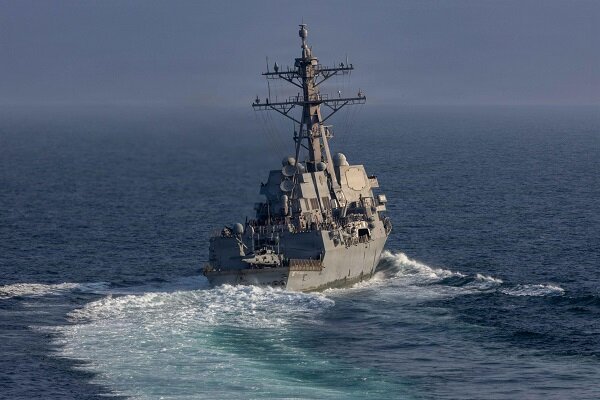
According to the International Desk of Webangah News Agency, The Guardian newspaper has reported that the U.S. Navy is experiencing a decline in its operational capacity. This is attributed to the intensive operational demands stemming from conflicts, lengthy deployment periods, and difficulties in the construction and repair of warships. The report highlights that this situation has placed significant strain on the American fleet, with some vessels undertaking deployments of 10 to 11 months, considerably longer than the typical seven-month operational assignment.
The extension of these missions has also led to delays in necessary maintenance and repairs for the ships. The British publication noted the return of the aircraft carrier USS George Washington from the Middle East, marking the end of an unusual period during which the United States at times lacked an aircraft carrier in the Pacific Ocean region. The Guardian also pointed to challenges in the construction of new vessels, rising costs, and America’s lag in shipbuilding competition with China. Estimates from the U.S. Congressional Budget Office suggest that the construction of Navy ships over a 30-year period will average $54 billion annually, approximately 18 percent higher than the Navy’s own projections.
The U.S. Navy aims to increase its fleet size from 286 to 381 vessels over the next three decades. However, the complexity of ship designs, construction delays, and escalating costs present significant hurdles to achieving this objective. The report further underscores the impact of ongoing operations against Iran on the Navy’s weapons stockpiles, personnel, and support capabilities. Experts suggest that if hostilities continue, this could have more far-reaching consequences for the operational readiness of the U.S. Navy.
In recent years, the United States has sought to maintain its dominance in the world’s oceans by increasing the number of its warships, submarines, and overall naval capabilities. However, shipbuilding issues, a shortage of skilled personnel, repair delays, and the high costs associated with military projects have hampered the realization of these goals. In contrast, China has accelerated its construction of warships by expanding its shipbuilding industry capacity. According to a report by the Euronaval Institute, China produced more than double the tonnage of warships compared to the United States in 2024 and 2025. This trend has intensified concerns among U.S. military officials and lawmakers regarding naval competition with Beijing.