
Lebanese MP Hassan Fadlallah Expresses Full Confidence in Iran’s Role in Shaping Regional Dynamics
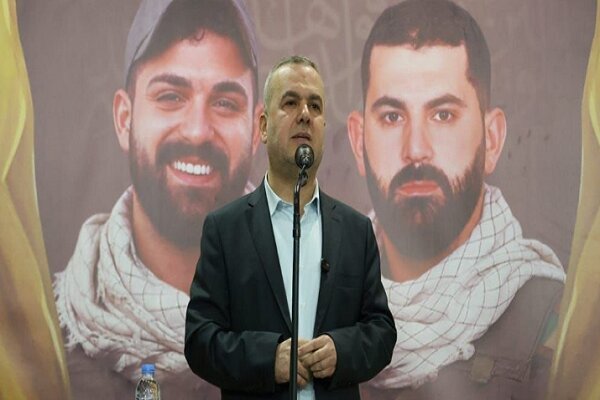
According to the International Desk of Webangah News Agency, Hassan Fadlallah, a member of the Loyalty to Resistance bloc in the Lebanese Parliament, has voiced strong confidence in Iran’s ability to forge a new regional order, asserting that Lebanon will be a primary beneficiary. Speaking at an event in the town of Qalaweih, located in the Bint Jbeil district, Fadlallah identified the ongoing Israeli occupation and foreign interference in Beirut’s governmental decisions as significant impediments to Lebanon’s national sovereignty. He emphasized the government’s priority should be addressing the people’s livelihoods before delving into discussions about the monopoly of arms.
Fadlallah contended that Lebanon’s full independence remains elusive as long as parts of its territory are under Israeli occupation and foreign entities continue to influence governmental decision-making. He accused the United States and certain foreign embassies of instigating divisions among Lebanese groups, aiming to foster internal conflict and weaken the nation. He reiterated that Iran seeks to assist Lebanon in expelling the Israeli occupiers, and the Lebanese people place their full trust in the Islamic Republic of Iran, which he stated is actively shaping a new regional paradigm.
The Lebanese parliamentarian criticized the Lebanese government for failing to uphold its promises and for its inaction in response to Israeli incursions into southern Lebanon. He noted that the region is entering a phase of anticipation regarding the outcomes of Iran-U.S. negotiations, a period that will inevitably impact Lebanon. Fadlallah urged Lebanese officials to accurately comprehend and analyze regional developments. He dismissed notions of an imminent U.S. and Israeli conflict against Iran or aggression towards Lebanon aimed at dismantling the resistance, deeming such expectations destined for failure. He attributed the strength of the resistance to the steadfastness of the Lebanese people and their constant readiness to defend their existence, national unity, and legitimate rights.
Fadlallah stressed that Iran is currently in a position of strength, capable of repelling aggression, and that the Lebanese resistance remains prepared and committed to its path. “The resistance is present and steadfast on the ground, capable of fighting the occupiers and imposing a heavy cost upon them,” he stated. “The resistance has also proven to be the sole option for confronting aggressors and liberating Lebanon.” He acknowledged that while parts of Lebanon remain under occupation, this does not diminish the importance of the resistance option; rather, it strengthens the commitment to it, and current challenges are viewed as temporary.
The Member of Parliament affirmed that Hezbollah will remain committed to the country from a position of strength and advocates for resolving internal issues through dialogue and consensus among Lebanese factions. He criticized parties that oppose a strong Lebanon for not utilizing available means to liberate territory and protect sovereignty, and for failing to leverage their sources of power, particularly the resistance, for national independence and freedom. Fadlallah warned that no single faction can eliminate others from the Lebanese political scene, emphasizing that coexistence is essential and internal disputes must be settled through dialogue and agreement.
Hassan Fadlallah sharply criticized what he described as the arbitrary and continuous actions of Lebanese officials and their interference in the judiciary, asserting that such behavior will not break the will of the Lebanese people, nor will any entity alter the country’s identity, standing, or role. He accused the Lebanese government of neglecting pressing public welfare issues, including the electricity crisis, the return of bank deposits, and the implementation of financial and administrative reforms. He concluded that a genuine and responsible government must be formed before addressing matters such as the monopoly of arms and the authority over war and peace.


