Kurdistan Region and Baghdad Agree on Dialogue to Resolve Disputes
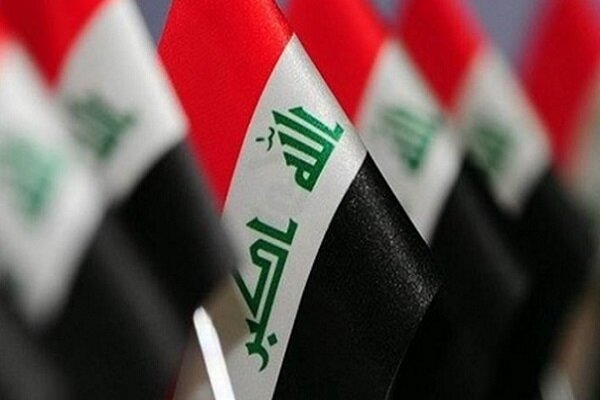
According to the International Desk of Webangah News Agency, officials from the Kurdistan Region of Iraq have announced that disagreements with Baghdad will be resolved through dialogue. The Kurdistan Region’s officials stated that Faleh Al-Fayyad, head of the Popular Mobilization Forces, visited Erbil and consulted with regional leaders on issues of contention between the region and the federal government. Both sides emphasized a full agreement exists to settle disputes through discussion.
Yesterday, reports emerged suggesting that federal Iraqi forces would return to the Kurdistan Region and assume control of oil fields. In this regard, Faleh Al-Fayyad informed Masoud Barzani, leader of the Kurdistan Democratic Party of Iraq, that federal forces would take charge of various areas up to the ‘Green Line’.
According to these reports, federal Iraqi forces will be responsible for securing the borders with neighboring countries and will be stationed in the Qarmar and Khurmala fields. The deployment line for these forces will extend from Kalar in Sulaymaniyah to the vicinity of the Fishkhabur border crossing.
Among the most prominent oil fields that will come under the control of federal Iraqi forces are Bai Hassan, Jambur, Ain Zala, Qayyarah, Tammah, and Khurmala. These forces will also be deployed in the Dibke area of Makhmur, which contains extensive oil fields. Following these developments, the Kurdistan Region of Iraq will lose control of the Sheikhan oil fields in Nineveh, Tawki, Atroush, and Sarsank.
The financial resources of the Kurdistan Region of Iraq, in addition to the oil fields sector, will also be impacted in the gas sector, border crossings, and airports. The Qarmar gas field is the primary artery for supplying gas to the region, and control over 32 official and unofficial border crossings will also be relinquished by the Kurdistan Region of Iraq.
These changes signify the loss of the Kurdistan Region’s most important economic and security privileges. Control over oil and gas fields and border crossings will pass to the federal Iraqi government, leaving the Kurdistan Region with only administrative centers under its authority. This situation indicates a fundamental shift in the nature of relations between Baghdad and Erbil and a reduction in the region’s power base.