WHO Urges End to U.S. Embargo on Cuba, Citing Dire Humanitarian Consequences
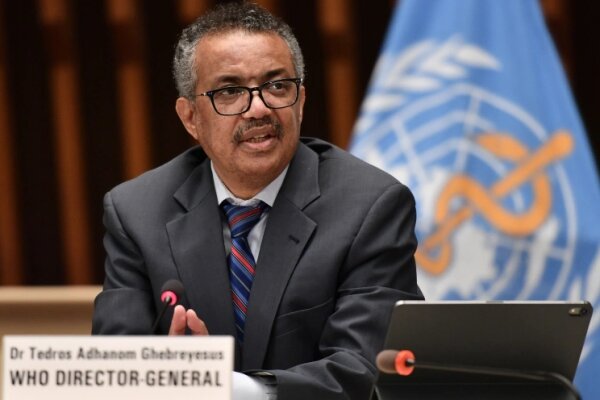
According to the International Desk of Webangah News Agency, the World Health Organization (WHO) has urgently called for the cessation of the United States embargo on Cuba, highlighting the severe humanitarian ramifications of the prolonged sanctions. During a visit to Cuba, including an inspection of healthcare facilities in Havana, WHO Director-General Tedros Adhanom Ghebreyesus emphasized that the U.S. sanctions and exacerbated fuel limitations are directly endangering the lives of Cuban children and its most vulnerable citizens.
Ghebreyesus stated, “Sanctions inflict direct harm on the people of Cuba, particularly the most vulnerable segments of society.” The WHO announced during its three-day visit that it would allocate $2 million to strengthen the country’s national vaccination program and procure essential medical supplies for its healthcare centers.
On Tuesday, Ghebreyesus met with Cuban President Miguel Díaz-Canel to discuss the nation’s healthcare system needs and the prioritization of essential medical services, with a particular focus on pediatric care. In a post on the social media platform X, Ghebreyesus confirmed, “We agreed to prioritize essential healthcare services, especially for children.” He further noted that fuel restrictions and sanctions impacting the procurement of medical products have placed immense strain on Cuba’s health system, a system painstakingly developed and expanded by Cuban physicians over decades.
The United Nations has repeatedly sounded the alarm regarding the escalating humanitarian crisis in Cuba, characterizing the U.S. blockade as a violation of international law and human rights. The Cuban government asserts that U.S. restrictions have led to daily power outages lasting 20 hours or more, severe shortages of medications and surgical equipment, and a decline in health indicators, including an increase in infant mortality rates.
During his press conference, the WHO chief also revealed that life expectancy in Cuba has decreased from 78.8 years in 2020 to 74.4 years in 2025. According to Ghebreyesus, this marks the first decline in this metric since statistics began to be recorded in 1950.