US Maritime Policies in Venezuela Signal Dangerous Precedent for Global Trade, Experts Warn
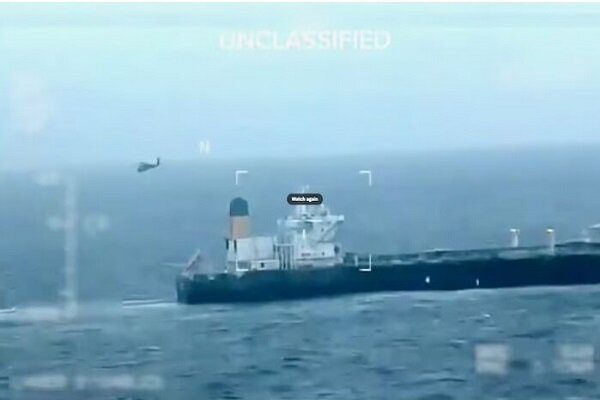
According to the International Desk of Webangah News Agency, the recent escalation of US maritime pressure on Venezuela has drawn sharp criticism from geopolitical analysts. The seizure of the Venezuelan oil tanker ‘Skipper’ and the de facto blockade of Caracas’ oil exports are framed by Washington as legitimate enforcement of sanctions. However, critics argue these actions represent a dangerous return to 19th-century colonial maritime practices.
The US-based Foundation for Defense of Democracies (FDD) explicitly stated in a recent report that Iran deserves similar treatment, raising concerns about the potential expansion of these policies to the Persian Gulf and Oman Sea. This approach, analysts warn, threatens global shipping security and could destabilize international trade routes.
Legal experts challenge the US position, noting that unilateral sanctions lack binding international legal authority. The interception of vessels in international waters without UN Security Council authorization constitutes maritime piracy under international law, they argue.
The militarization of sanctions marks a significant escalation, with Washington deploying aircraft carriers, destroyers, and marine units to enforce its economic measures. This shift from economic pressure to quasi-naval blockade sets a perilous precedent that could undermine the global trading system.
The FDD’s characterization of Venezuela as the ‘Maduro regime’ rather than a sovereign government follows a familiar pattern of justification used before interventions in Iraq, Libya, and Syria. Critics note this rhetoric serves to delegitimize targeted governments while ignoring democratic deficits among US allies.
Economic sanctions primarily impact civilian populations, as evidenced in Iran, Iraq, and Cuba. The creation of ‘shadow fleets’ to circumvent sanctions is a direct consequence of these policies, not an inherent criminal enterprise, analysts emphasize.
The explicit reference to Iran as a potential next target confirms Washington’s broader agenda, raising alarms about future confrontations in the Persian Gulf. Historical evidence suggests such coercive measures rarely achieve political surrender but do erode global trust in US leadership.
Experts conclude that aggressive unilateralism in US foreign policy, not Venezuela or Iran, poses the greatest threat to global energy security and maritime trade stability.