New Battery Technology Promises Extended Device Lifespan and Faster Charging
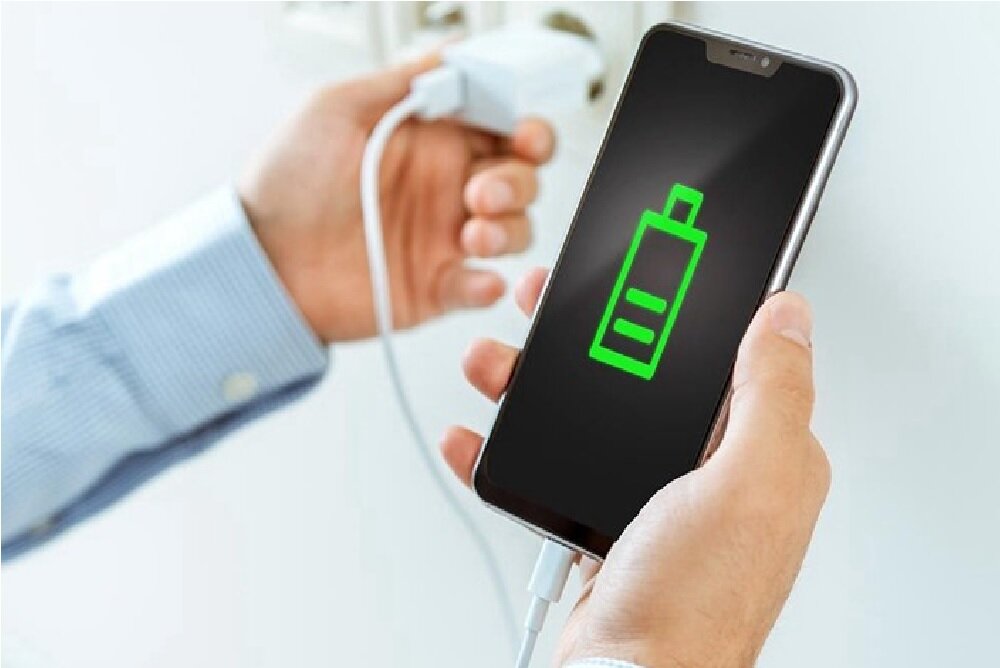
According to the Economic Desk of Webangah News Agency, a significant advancement in battery technology has been announced, promising to extend the operational life of electronic devices and accelerate charging capabilities. This development could reshape the landscape of personal electronics and other sectors dependent on robust energy storage solutions.
The new technology, detailed in a recent scientific publication, addresses key limitations of current lithium-ion batteries, including degradation over time and lengthy charging periods. Early reports suggest that devices equipped with these advanced batteries could maintain peak performance for considerably longer durations compared to existing models. Furthermore, the charging process is reported to be up to three times faster, allowing users to achieve a full charge in a fraction of the time.
While specific details regarding the chemical composition and manufacturing processes remain under wraps pending patent approvals, sources indicate that the innovation involves new materials that enhance energy density and stability. This could lead to lighter, more powerful batteries for a wide range of applications, from smartphones and laptops to electric vehicles and renewable energy storage systems.
Industry analysts are keenly observing this development, predicting a potential shift in consumer preferences and market competition. Companies that can successfully integrate this new battery technology into their products could gain a significant competitive advantage. The increased device lifespan and reduced charging dependency are expected to resonate strongly with consumers, driving demand for the next generation of electronics.
The long-term implications extend beyond consumer electronics. Industries such as aerospace, medical devices, and grid-scale energy storage could also benefit immensely from batteries that offer greater durability, faster charging, and potentially improved safety profiles. The economic impact is anticipated to be substantial, fostering innovation and creating new opportunities in the global battery market.