
Qatar Proposes New Regional Security Framework with Iran, Emphasizes Strait of Hormuz Stability
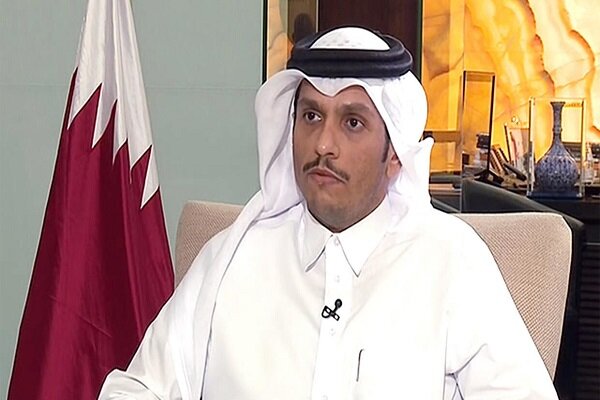
According to the International Desk of Webangah News Agency, Qatar is advocating for a new regional security framework involving Iran, emphasizing the continued openness of the Strait of Hormuz. The nation’s Prime Minister and Minister of Foreign Affairs, Mohammed bin Abdulrahman Al Thani, stated in an interview with the Financial Times that the Strait of Hormuz remains open and will not be closed, with maritime navigation expected to normalize within 30 days following an agreement.
Al Thani highlighted the necessity of establishing a communication channel between Washington and Tehran to prevent impediments to the reopening of the Strait of Hormuz. He noted that a communication channel agreed upon in Switzerland is crucial for countering misinformation and will be vital during demining operations in the Strait. Qatar Energy Company will not lift its state of emergency until safe operations are guaranteed.
The proposed $300 billion investment fund with Iran was described as ambitious, and Al Thani suggested that Gulf Cooperation Council countries might be asked to co-finance this investment fund in the future. The current regional objective is to establish a new security framework among regional nations and Iran.
Regarding tensions instigated by the Zionist regime in the region, the Qatari Foreign Minister commented that Israel is overreacting to conflicts rather than de-escalating. He mentioned the existence of a mechanism to prevent escalation in Lebanon, which includes confirming a ceasefire. Preventing escalation in Lebanon requires coordination between Beirut, Washington, Tehran, and mediators. The Swiss negotiations have paved the way for talks towards a permanent agreement, and this process is in its initial stages. Any model for managing the Strait of Hormuz must be discussed with Iran, Oman, and the Gulf Cooperation Council countries.


