
US Set to Present Nuclear Tech Deal with Saudi Arabia to Congress
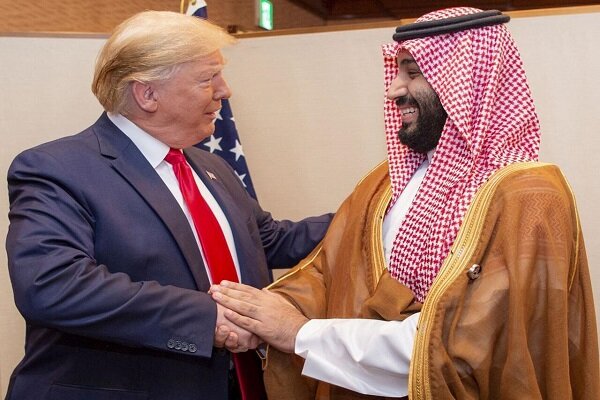
According to the International Desk of Webangah News Agency, the administration of U.S. President Donald Trump is poised to present a nuclear energy technology exchange agreement with Saudi Arabia to Congress in the upcoming days, Reuters has learned from two informed sources. These sources indicated that the U.S. government will submit a document referred to as a “Section 123 agreement” for congressional review, which is slated to be signed by U.S. Energy Secretary Chris Wright and his Saudi counterpart, Prince Abdulaziz bin Salman. The two parties had previously signed a preliminary understanding last year in Riyadh.
This agreement references Section 123 of the U.S. Atomic Energy Act of 1954, mandating cooperation between the U.S. government and American companies with Saudi entities to foster a multi-billion dollar civilian nuclear industry. Sources close to the deal reported that the agreement does not include the “golden standard,” which typically prohibits a kingdom from enriching uranium and reprocessing spent nuclear fuel. These sources, who requested anonymity due to the sensitive nature of the subject, also highlighted that the accord does not incorporate the “Additional Protocol.” This protocol grants the International Atomic Energy Agency, under UN supervision, extensive oversight powers for nuclear activities, including the authority to conduct unannounced inspections at undeclared sites in any nation.
While one source stated that the U.S. administration would present the agreement to Congress today, another source suggested the submission could occur within approximately a week. A third source indicated the agreement would be presented soon, without specifying whether the deal would indeed lack safeguards. Previously, Chris Wright had stated that the initial understanding was not related to uranium enrichment and adhered to all non-proliferation standards outlined in the U.S. Atomic Energy Act, which are considered among the most robust globally. One source elaborated that the agreement establishes a legal pathway for cooperation in the nuclear fuel cycle, including uranium enrichment, but does not compel the U.S. to transfer any related capabilities or technology to Saudi Arabia.
For Congress to block this agreement, it would need to pass a joint resolution with a two-thirds majority vote, overriding any potential presidential veto. Numerous Democrats and some Republicans, including former Senator Marco Rubio, have insisted that any agreement must incorporate stringent controls. Earlier, The Wall Street Journal reported that President Donald Trump, in a significant policy shift and disregarding previous assertions, had granted final approval for a major, long-term nuclear agreement with Saudi Arabia. This 30-year agreement, projected to channel tens of billions of dollars to U.S. contracting firms, would effectively bring Riyadh closer to the group of nations possessing uranium enrichment capabilities.


