
Egypt’s Foreign Minister Highlights Regional Instability, Calls for Arab Security Cooperation
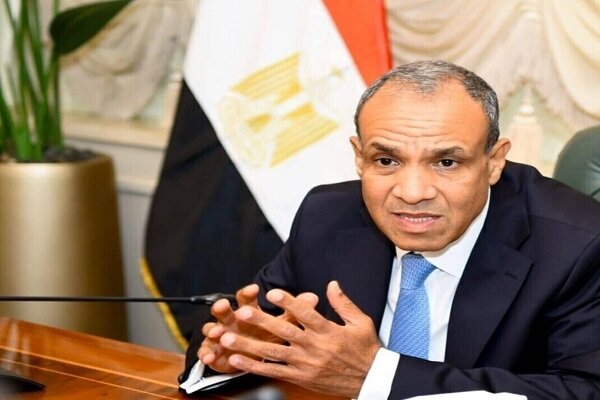
According to the International Desk of Webangah News Agency, Egyptian Foreign Minister Sameh Shoukry stated on Monday that the region is experiencing highly dangerous developments that are adversely affecting the security of Arab countries. He underscored that the Arab world faces unprecedented challenges, necessitating coordination and collective action.
Addressing the situation in Gaza, Shoukry described it as a humanitarian catastrophe and asserted that the sole path to comprehensive regional peace is the cessation of Israeli occupation. Egypt, he reiterated, opposes the imposition of new realities in the Palestinian territories and supports the continuation of the second phase of the Trump plan regarding Gaza. He added that the current situation in Gaza and the West Bank is unacceptable.
The Egyptian minister further declared Egypt’s opposition to any attempts to fragment nations or establish entities parallel to their legitimate and legal institutions. He stressed that the challenges confronting Arab nations demand transparent dialogue and a set of policies that present a unified Arab vision for confronting these challenges.
Regarding the Red Sea, Shoukry stated that its security and governance are a shared and exclusive responsibility of the littoral states. He also emphasized the critical need to protect the water security of Egypt and Sudan as downstream nations of the Nile River, calling for a firm response to unilateral actions concerning the river. The Nile, he explicitly stated, is a fundamental pillar of national security for both Egypt and Sudan.
Egypt’s stance against the forced displacement of Palestinians and annexation policies in the West Bank was also reiterated. In another significant point, the Egyptian Foreign Minister revealed that Egypt has proposed a plan to establish Arab security arrangements aimed at bolstering collective capabilities to safeguard Arab security. He indicated Egypt’s readiness to draft a comprehensive plan for these Arab security arrangements, emphasizing the need for mechanisms with greater deterrence and crisis containment capabilities.


