
Iraq Grants One-Month Exemption for Iranian Flights to Najaf Amid US Sanctions
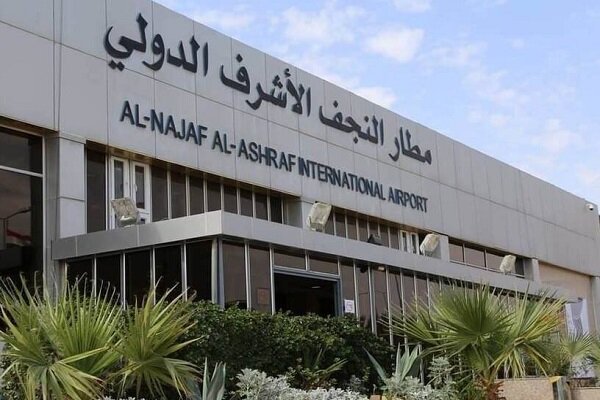
According to the International Desk of Webangah News Agency, Iraq’s aviation authority announced the resumption of its flights to Iranian airports via Najaf airport the previous night. This announcement follows a report that the administration of U.S. President Donald Trump was considering a limited waiver from its sanctions program against Iran to facilitate flights for Shia Muslims undertaking religious pilgrimages between Iran and Iraq.
A source involved in these negotiations indicated that the waiver, issued by the U.S. Treasury Department, permits Iraq Airways to operate flights to and from the city of Najaf for a period of one month, with the possibility of a longer exemption being approved in the future. This move aims to ease travel for religious purposes.
Previously, the Iraqi Ambassador to Iran, Yasser Abdul-Zahra Hajaj, stated that Najaf airport would reopen its doors to Iranian flights within 24 hours, just days after its closure was announced due to severe U.S. sanctions against Tehran. The official Iraqi News Agency (INA) quoted the ambassador as saying that the Iraqi government, particularly Prime Minister Ali al-Zaidi, is engaged in continuous efforts to resume air travel between the neighboring countries of Iraq and Iran.
He added that no government decision was made to halt flights with Iran; rather, foreign ground service companies refused to provide services out of fear of U.S. sanctions. The imposition of new U.S. sanctions on 27 Iranian airlines and restrictions on Iran’s flights to certain countries have led to a halt and disruption in Iran’s international flights in recent days. This has been particularly evident in flights from Iran to neighboring countries and the region.
In recent days, restrictions and cancellations of Iranian flights to destinations including Azerbaijan, Georgia, Oman, the United Arab Emirates, and Iraq have drawn attention to the consequences of new U.S. sanctions on Iran’s aviation industry. Following the imposition of these sanctions, the Iraqi public and political groups launched widespread protests against the Iraqi government’s decision to yield to the pressures and restrictions imposed by the U.S. administration.


