
Iran Proposes Four Reforms for Global Economic Governance at G-24 Meeting
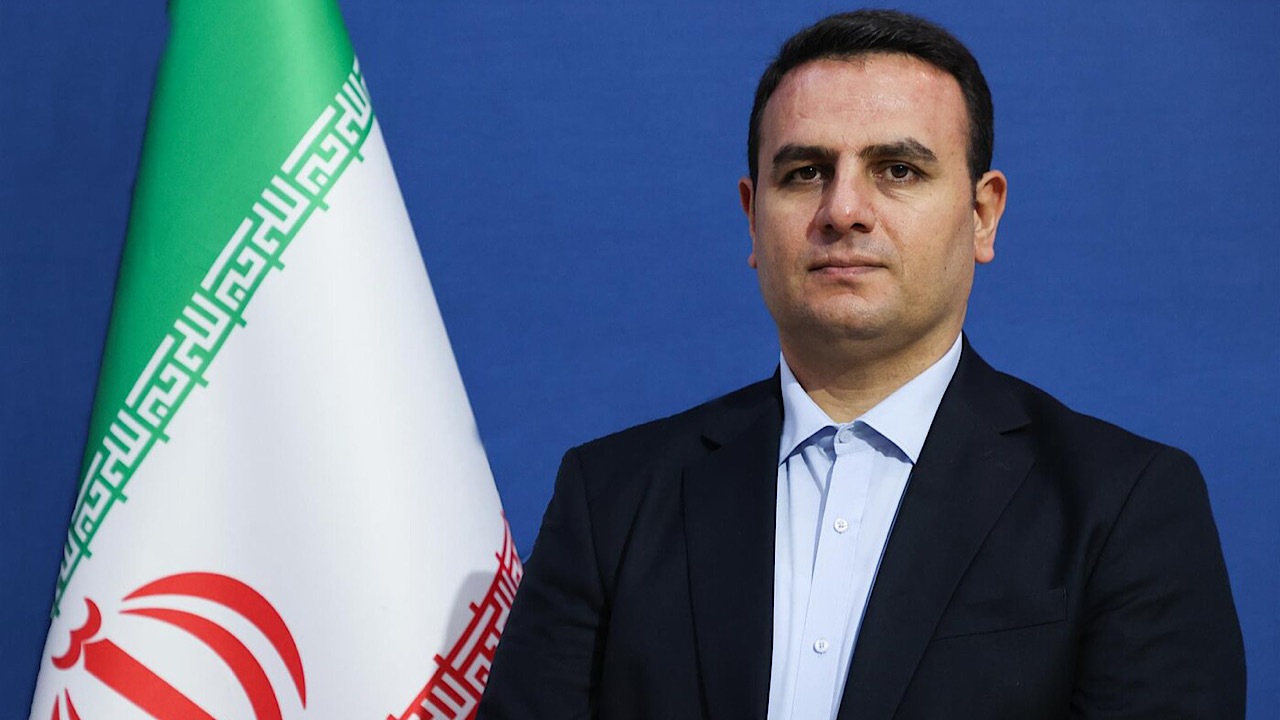
According to the Economic Desk of Webangah News Agency, during the G-24 Deputies Meeting held on the sidelines of the International Monetary Fund (IMF) and World Bank Group’s annual meetings in Bangkok, Thailand, Vahid Majed, Deputy Governor for Monetary Policy of the Central Bank of the Islamic Republic of Iran, actively participated in reviewing the group’s draft communique. He presented four specific proposals concerning economic developments and international conflicts, the reform of the IMF quota system, the review of the World Bank Group’s shareholding structure and governance, and the fulfillment of international climate finance commitments.
These proposals were put forth with the aim of strengthening fair and inclusive approaches to global economic governance, enhancing the standing and representation of emerging and developing economies, and emphasizing international responsibilities towards the economic challenges faced by these nations. The representative of Iran, highlighting the significance of the G-24’s role in coordinating the perspectives of developing countries, suggested specific amendments to paragraphs 1, 5, 7, and 9 of the draft communique.
In the first area, the Iranian representative stressed the necessity of ending violence and coercion in international conflicts and mitigating their economic repercussions. He proposed that alongside ending violence, the issue of “coercion” should be explicitly addressed in the statement, calling for coordinated international efforts to de-escalate tensions, support reconstruction, and reduce the economic and financial impacts of conflicts. Including this wording would complete the conceptual scope of the communique and bring greater attention to the various dimensions of pressures and challenges affecting national economies.
The second area of proposals focused on the 17th General Review of IMF Quotas. The Iranian representative emphasized the need for timely consensus on the new quota calculation formula and creating the conditions for a meaningful readjustment of member countries’ quotas. He also called for the G-24 to maintain its explicit stance against any inclusion of voluntary financial contributions in the new quota formula, asserting that such contributions should not be incorporated into the revised quota calculation. This addresses the reform of IMF governance, the method of determining country quotas, and its implications for members’ standing and representation in the institution’s decision-making structure.
The third area pertained to the reform of the World Bank Group’s shareholding and governance system. The Iranian representative, referencing the 2025 shareholding review and the need to address the unallocated shares of the International Bank for Reconstruction and Development (IBRD) and the International Finance Corporation (IFC), urged attention to the next steps in the shareholding structure of these two institutions. He also highlighted the importance of the 2030 shareholding review as an opportunity to explore specific options for correcting imbalances in country shares, increasing the capital base of the World Bank Group, and strengthening the legitimacy and good governance of this multilateral institution. The objective of these reforms is to rectify existing imbalances, bolster capital capacity, and enhance the effective participation of developing countries in the institution’s governance and decision-making structure.
In the fourth area, the Iranian representative addressed climate finance and the imperative of adhering to international commitments towards developing countries. Citing the abandonment of the World Bank Group’s 45% “Climate Co-benefits” target and the issue of withdrawing or reducing some financial aid commitments to multilateral climate funds, he underscored the need to maintain and strengthen international climate finance commitments. He called for the G-24 communique to explicitly reflect the full and timely achievement of the annual climate finance target of at least $300 billion for developing countries by 2035, in line with the COP29 agreement, with developed country members taking the lead. This is fundamentally important from the perspective of securing reliable and predictable financial resources for developing countries.
The set of proposals from the Iranian representative at the G-24 Deputies Meeting covers four areas related to international economic justice and cooperation, with the Iranian delegation expressing readiness to submit the precise text of the proposals in writing. These proposals also emphasize the importance of gradual and effective reform of the international financial governance structure, strengthening the role of developing countries in global economic decision-making, and the necessity of international institutions responding to the financial and developmental needs of member countries. The G-24 Deputies Meeting was held as part of the preparation and review of the group’s joint communique prior to the meeting of Finance Ministers and Central Bank Governors.


