
Saudi Arabia’s Military Vulnerabilities Against Yemen’s Missile and Drone Attacks Exposed
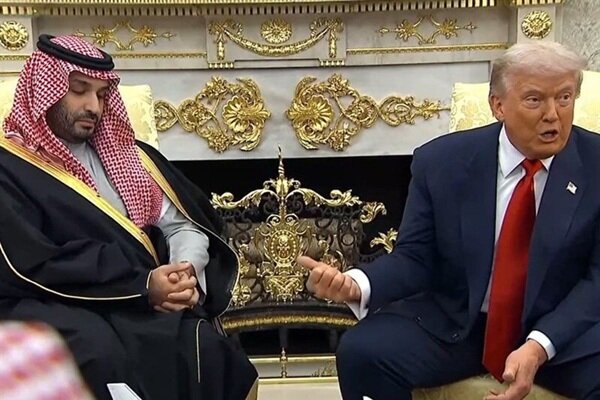
According to the International Desk of Webangah News Agency, Saudi Arabia‘s military capabilities are facing significant challenges in defending against missile and drone attacks launched by Yemen’s Ansarallah movement. Despite substantial military investments, sophisticated fighter jets, advanced Patriot and THAAD missile defense systems, and modern radar equipment, the Kingdom continues to grapple with effectively neutralizing these threats. Factors contributing to these ongoing challenges include the vast geographic area of Saudi Arabia, the diverse range of offensive tools employed by Ansarallah, and the considerable expense associated with deploying interceptor missiles, all of which could strain Riyadh’s defensive capacity in a prolonged conflict.
Saudi Arabia allocates tens of billions of dollars annually to its military budget, with figures from the Stockholm International Peace Research Institute estimating defense spending at approximately $80 billion in 2024. However, possessing advanced equipment does not guarantee comprehensive protection for all of a nation’s critical infrastructure. The expansive territory of Saudi Arabia, coupled with the dispersed nature of its oil facilities, airports, military bases, and strategic centers, makes simultaneous protection of these assets a complex undertaking. Defense systems must be capable of detecting and intercepting threats across various regions while ensuring adequate coverage for vital infrastructure. This scenario renders the allocation and deployment of defense resources a primary challenge for Riyadh.
A second significant factor is the diversification of offensive tools and the potential for simultaneous use of drones and missiles. The employment of varied threats can place operational pressure on detection and interception systems, necessitating the management of multiple targets concurrently. In such situations, the critical aspect is not merely the ability to intercept a single missile or drone, but rather the readiness of defense systems for sustained counter-attacks and the maintenance of defensive coverage against numerous threats. The success rate of these tactics in any given attack, however, depends on the type of weaponry, the number of targets, flight paths, and the performance of the defensive systems.
One of the most crucial dimensions of this challenge is the disparity in cost between the production of certain offensive drones and advanced interceptor missiles. Estimates suggest that the manufacturing cost of some long-range suicide drones used by Yemeni forces can range in the tens of thousands of dollars. In contrast, the price of a single advanced Patriot interceptor missile, depending on the model and contract terms, can reach several million dollars. For instance, if a drone costs $20,000 and an interceptor missile costs $4 million, the cost difference is approximately 200-fold. While this is a rough comparison and actual prices vary based on model, accessories, and procurement conditions, the recurring need to use expensive munitions can significantly escalate defense costs and place greater strain on arms stockpiles.
The third challenge relates to the reserves of interceptor missiles and the feasibility of their replenishment. Each use of defensive missiles depletes ready-to-use stockpiles, and sustained attacks necessitate a continuous replenishment of ammunition. This process is not only financially costly but also dependent on production capacity, delivery timelines, and access to the supply chain. Saudi Arabia relies heavily on the United States for a substantial portion of its advanced equipment and munitions. Consequently, increased consumption of American-made ammunition in regional conflicts can impact the prioritization of orders and delivery schedules for Washington’s allies. Reports have emerged regarding pressure on U.S. Patriot missile reserves and delays in delivering some orders to allies, underscoring the importance of production capacity and stockpile replacement.
In this context, the reported figure of approximately $9 billion for the purchase of 730 Patriot missiles in Saudi Arabia’s arms deals highlights the financial magnitude of procuring these munitions. However, the final contract value, equipment composition, and delivery timeline must be assessed based on the official details of the specific agreement. Saudi Arabia’s defensive capabilities cannot be solely measured by its military spending or the number of advanced systems it possesses. Geographic expanse, target dispersal, the variety of drone and missile attacks, and the cost of replacing munitions all play a role in evaluating the sustainability of the nation’s defense. While advanced systems offer a significant advantage in a short conflict, in a prolonged and attritional engagement, production capacity, ammunition supply, interception costs, and the ability to maintain operational readiness become paramount. From this perspective, Saudi Arabia’s challenge extends beyond merely countering attacks; it encompasses sustaining its defensive capacity against repeated assaults and ensuring the continuous supply of necessary resources.


