Trump Claims No Immediate Plans to Attack Iran Amid Midterm Elections
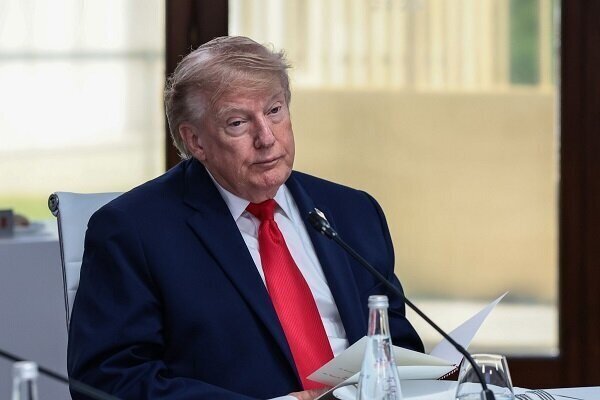
According to the International Desk of Webangah News Agency, US President Donald Trump claimed in an interview with the Financial Times, conducted prior to the close of voting in the congressional midterm elections, that the country currently has no immediate plans for a military strike against Iran. These statements follow prior aggressive directives and subsequent disruptions within global energy markets.
During the six-minute telephone interview, Trump expressed satisfaction with the current state of hostilities, asserting that Washington appears to be achieving its objectives. Responding to remarks by Israeli Prime Minister Benjamin Netanyahu regarding a potential military action later in the week, Trump stated that the US is fully prepared to act if necessary, though he suggested a formal escalation might not be warranted.
These assertions from the White House emerge while the midterm elections are heavily influenced by domestic discontent over inflation and surging fuel prices, which critics tie to military adventures against Iran. Nevertheless, Trump maintained that energy prices would decline significantly in the aftermath of the vote.
He further claimed that oil transit through the Strait of Hormuz is increasing, placing pressure on the Iranian economy, and described the current trajectory as extraordinary. Despite acknowledging extensive airstrikes involving B-2 strategic bombers and military operations targeting Iranian infrastructure, the US President curiously argued that the United States is not formally at war with Iran.
Pointing to claims regarding Iran’s nuclear capabilities and a lack of direct engagement in recent months, Trump sought to downplay the scope of his administration’s actions. He added that indirect negotiations with Tehran regarding enriched uranium stockpiles—which he alleged are buried deep underground—remain ongoing, while declining to pre-disclose future military plans.
Political analysts suggest that Trump’s temporary shift in tone during Western media engagements stems from concerns over potential setbacks for his party in the midterm elections and an effort to deflect attention from mounting domestic and economic crises in the United States.