Ukraine’s NATO ‘ شبه-membership’ proposal sparks debate on European stability
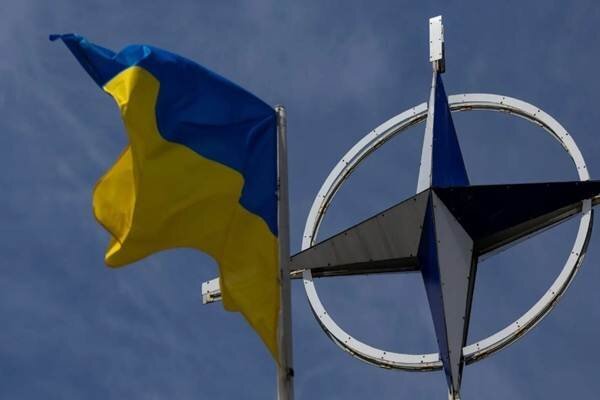
According to the International Desk of Webangah News Agency, the prospect of Ukraine‘s official membership in NATO continues to face political and security obstacles. In this context, some European leaders have proposed plans that would allow Kyiv closer ties to the Western military alliance without formal membership, by granting security guarantees akin to NATO’s collective defense commitments.
This “quasi-membership” plan is being put forward as Europe seeks to prevent a recurrence of the conflict in Ukraine and strengthen deterrence against Russia. However, concerns persist about the potential escalation of military confrontation and its consequences for the security of the European continent. Such security arrangements, which blur the line between support and commitment to military intervention, raise questions about their feasibility, their impact on Europe’s security balance, and the risk of drawing Western nations into direct confrontation with Russia.
The nature of Ukraine’s “quasi-membership” project in NATO refers to arrangements that would provide Ukraine with some of the defense and security commitments of NATO members without Kyiv’s formal admission into the alliance. This idea has emerged following the deadlock on Ukraine’s official membership and Western concerns about the implications of a country engaged in conflict joining a defense pact. The aim of this plan is to create deterrence against Russia without formally invoking Article 5 of NATO. Within this framework, security guarantees similar to collective defense, long-term military support, strengthening Ukraine’s military, and even the deployment of a multinational European force in the country are among the proposed options.
The communiqué from the Berlin summit on November 19, 2026, also included plans for binding security guarantees, continued military assistance, and the formation of a multinational force under European leadership with U.S. support in Ukraine after an ceasefire. These arrangements could signify Ukraine’s practical proximity to NATO’s defense structure, without its official status within the alliance. Nevertheless, “quasi-membership” currently lacks a clear legal and operational framework and cannot be considered equivalent to the rights and obligations under Article 5. This concept attempts to strike a balance between the necessity of deterring Russia for Ukraine and the West’s avoidance of full collective defense responsibilities for the country – a balance that, due to Russia’s explicit opposition, remains fraught with ambiguity and significant challenges.
Why is Europe revisiting this idea? The “quasi-membership” plan for Ukraine in NATO has regained the attention of European leaders at a time when Kyiv’s formal membership prospects continue to face political and military hurdles, and Europe is keen to prevent any potential end-of-war agreement from weakening Ukraine’s strategic position or leading to the resurgence of conflict. From this perspective, establishing an alternative security umbrella could be seen as a way to keep Ukraine within the Western orbit without its formal admission into NATO. European nations are concerned that ending the war without effective guarantees could provide Russia with an opportunity to rebuild its military capabilities and resume operations in the future. Therefore, they are working to increase the cost of any renewed aggression by strengthening Ukraine’s military and defining long-term security commitments.
Meanwhile, developments in the war and differing views on the future of U.S. military support for Kyiv have pushed Europe towards playing a more independent role in Ukraine’s security. The proposal for Article 5-like security guarantees and the formation of a multinational European force, in addition to efforts to deter Russia, could serve as a tool to increase Europe’s role in end-of-war negotiations and prevent the continent from being sidelined in decisions concerning its own security future. Europeans are also seeking, through this approach, to prevent a Washington-Moscow agreement that might overlook their own and Ukraine’s security concerns. However, efforts to create broader defense commitments toward Kyiv, at a time when European nations still disagree on the extent of military intervention and the risks of confronting Russia, highlight the complexity of this strategy and the difficulty of transforming it into a stable security mechanism.
Security Risks of Ukraine’s NATO ‘Quasi-Membership’: While the proposed security guarantees for Ukraine, akin to NATO’s, are ostensibly aimed at preventing a repeat of the war and enhancing deterrence, they could complicate Europe’s security balance and lay the groundwork for new military commitments and increased tensions between Russia and the West. The risks of this plan are not limited to Moscow; European countries and NATO itself could face extensive security and strategic repercussions if political guarantees evolve into practical defense commitments.
Risks for Russia: From Moscow’s perspective, Ukraine’s “quasi-membership” could be interpreted as a continued expansion of NATO’s military influence in Eastern Europe, even without Kyiv’s formal accession. If the proposed security guarantees involve the deployment of European forces, the establishment of military infrastructure, the enhancement of defense systems, and expanded intelligence cooperation, Ukraine would effectively become part of the Western security alignment adjacent to Russia. Such a situation could impose new restrictions on Moscow’s military freedom of action and exacerbate its concerns about strategic encirclement and a shift in the regional balance. Russia might also perceive these arrangements as a long-term threat and, in response, pursue the deployment of weaponry, reinforcement of military forces in western regions, and increased combat readiness, a trend that heightens the risk of escalating military competition and sustained Russia-West confrontation.
Risks for Europe: By offering security guarantees to Ukraine, European countries might inadvertently find themselves bound by commitments whose costs and consequences extend beyond current arms and financial support. In the event of the deployment of multinational forces on Ukrainian soil, any Russian attack on these forces could compel European governments to respond militarily, increasing the risk of the war spreading beyond Ukraine’s borders. Such a scenario, in addition to imposing greater defense and armament costs, could intensify disagreements among European governments regarding the level of support for Kyiv and the acceptance of the risk of direct confrontation with Moscow. At a time when Europe continues to grapple with economic challenges and military limitations, expanding security commitments toward Ukraine could strain these countries’ resources and, rather than fostering stability, entangle them in a prolonged and costly security crisis.
Risks for NATO: The “quasi-membership” plan could present NATO with a strategic paradox: leveraging the alliance’s deterrence capabilities to support Ukraine without its formal membership and full collective defense obligations. If member states offer Article 5-like guarantees but refrain from military intervention during a Russian attack, the credibility of Western deterrence and security commitments would be undermined. Conversely, upholding these guarantees and NATO members engaging in conflict with Russia could increase the risk of direct war between the two sides. Furthermore, disagreements among alliance members regarding the extent of military support for Ukraine, the nature of responses to potential attacks, and the acceptance of the costs of confronting Moscow could strain NATO’s political cohesion and expose the gap between security commitments and the genuine will of its members.
Is ‘Quasi-Membership’ Truly Feasible? The “quasi-membership” project for Ukraine in NATO is less a solidified security solution and more an attempt to navigate the contradiction between the necessity of keeping Ukraine within the Western sphere and the reluctance to formally admit it into the defense alliance. This contradiction persists even with the provision of broader security guarantees outside the framework of Article 5. The realization of this plan hinges on the genuine commitment of Europe and the United States, as guarantees lacking a clear mechanism for military response will not necessarily create effective deterrence. Conversely, a commitment to direct intervention could expose the guaranteeing countries to war with Russia.
From this perspective, “quasi-membership” faces a strategic dilemma: the more credible and binding the guarantees, the higher the likelihood that Russia will perceive them as a threat to its security and escalate confrontation; and the more limited and ambiguous they are, the weaker their deterrent effect. This situation also indicates that changing the title and format of security commitments does not inherently resolve the fundamental disagreement between Russia and the West over Europe’s security architecture. If “quasi-membership” becomes a tool to solidify Western military presence in Ukraine and continue competition with Russia, it may pave the way for the crisis’s reproduction rather than its resolution. In essence, the success of this project will be measured not by the quantity of arms or declared guarantees, but by its capacity to establish arrangements acceptable to the involved parties, prevent military miscalculations, and reduce the likelihood of renewed war—components that appear extremely difficult to achieve without political agreement and stable mechanisms for de-escalation.