Environmental Catastrophe Looms in Gaza: Experts Warn of 61 Million Tons of Toxic Debris
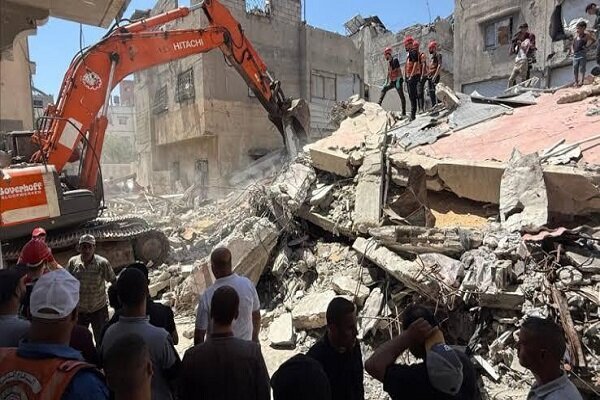
According to the International Desk of Webangah News Agency, international environmental experts and specialists have issued stark warnings about an unfolding environmental catastrophe in the Gaza Strip, directly attributable to over three years of Israeli military campaigns. These experts highlight that the impact of these operations extends far beyond the destruction of buildings and infrastructure, posing significant health risks to residents through the release of contaminated dust, toxic substances, and pollution of vital water and soil resources.
A report by Oxfam, titled “Environmental War Crimes: How Israel’s Military Assault Turned Gaza into a Toxic, Life-Threatening Land,” underscores that the Israeli military operations have critically undermined the fundamental conditions necessary for life in Gaza. Wim Zwanenburg, an expert on the environmental consequences of war at the Netherlands Peace Organization (PAX), stated that the extensive destruction of residential and industrial areas in Gaza has led to the emission of vast quantities of dust from cement and building materials, posing serious health risks through inhalation. He further cautioned about the potential for this dust to be re-dispersed during debris removal and cleanup operations, and noted that contaminated and toxic materials could enter the body through wounds of the injured, leading to widespread health repercussions.
Lamy Abdelsamad, a water and sanitation expert at Oxfam, detailed that the conflict in Gaza has left behind approximately 61 million tons of rubble, which may contain remnants of explosive materials, heavy metals, and organic pollutants. This expert pointed to a tenfold increase in bacterial contamination, reporting that in January and February 2026, around 81,000 cases of acute watery diarrhea were recorded, with children under five accounting for half of all infections. He also added that since the beginning of the conflict, approximately 1.9 million people have contracted respiratory illnesses.
Experts warn that the current pollution levels could lead to an increase in cancers, heart, liver, and kidney diseases, as well as developmental disorders in children in the coming years. Workers involved in debris removal and the repair of wastewater networks are among the groups most exposed to these risks.
The Oxfam report, compiled in collaboration with the Conflict and Environment Watch and utilizing satellite data and imagery, indicates that the destruction of wastewater treatment infrastructure has resulted in the daily discharge of approximately 40,000 cubic meters of untreated sewage into the Mediterranean Sea. An additional 15,000 cubic meters enters the environment through soak pits and leakage pathways. The number of waste collection vehicles in Gaza has decreased from 261 to 48, and temporary waste accumulation sites lack the necessary facilities to contain and collect contaminated leachate. The Union of Municipalities of the Gaza Strip has estimated the accumulated waste in various areas of the strip to be between 700,000 and 800,000 tons.
Martin Butcher, Senior Global Policy Advisor at Oxfam, stated that the bombardments and military operations over the past three years have led to the destruction of civilian, agricultural, industrial facilities, and water treatment centers in Gaza, consequently releasing toxic substances and wastewater into the environment. According to statistics from the Gaza government’s media office, the Israeli forces have dropped approximately 223,000 tons of bombs on the region in recent years, resulting in the deaths of about 75,000 people and the injury of 176,000 others, with thousands still missing.