Former Qatari PM Proposes Gulf NATO to Counter Regional Security Challenges
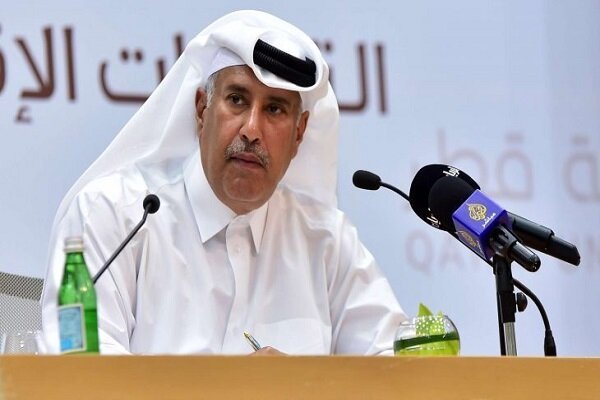
According to the International Desk of Webangah News Agency, Sheikh Hamad bin Jassim bin Jaber Al Thani, former Prime Minister and Minister of Foreign Affairs of Qatar, has urged member states of the Gulf Cooperation Council (GCC) to take practical steps toward initiating direct negotiations with Iran. He also proposed the establishment of a joint defense alliance, emphasizing that the continuation of conflict and heightened tensions in the region would lead to the security and economic erosion of Persian Gulf countries. This comes amid ongoing efforts by the Israeli regime to expand its influence and redefine regional security arrangements for its own benefit.
The former Qatari official stated that GCC member states gain no advantage from prolonged conflict and desire its swift conclusion with minimal damage. He asserted that achieving this requires practical political action, not mere wishes and hopes. Sheikh Hamad suggested that if Qatar’s current mediation efforts fail to bridge the gap between Washington and Tehran, a summit between the leaders of Persian Gulf countries and Iran should be convened. He further believes that GCC members should prioritize reaching an understanding on security and regional issues with Iran before engaging in negotiations with the United States.
Sheikh Hamad bin Jassim described Iranian negotiators as professional, stating that engaging with them requires understanding their thought processes and negotiation mechanisms. He cautioned against expecting the short-term downfall of the Iranian regime and deemed assessments predicting the war’s end within weeks as unrealistic. According to him, the Iranian system is not merely a collection of officials or leaders whose departure would dismantle the structure; rather, it is a complex entity shaped over 47 years, relying on institutions, ideologies, and extensive economic, administrative, and social networks. He added that the future of Iran’s system must be determined within the country, with the Iranian people deciding on their preferred form of governance. He also warned that the continuation of conflicts, particularly with the Strait of Hormuz crisis, could lead to prolonged erosion of regional countries.
The former Qatari diplomat issued a warning regarding the objectives and ambitions of the Israeli regime in the region, accusing its Prime Minister, Benjamin Netanyahu, of seeking to expand Tel Aviv’s influence, including in Persian Gulf nations. He believes Netanyahu assumes the U.S. presence in the region is not permanent and that Israel can replace Washington in managing regional balances and shaping regional security and economic policies. Netanyahu is not solely pursuing military gains from the war but is striving to expand his influence and dominate regional capacities by entering a phase of regional security restructuring.
Sheikh Hamad bin Jassim criticized the lack of coordination among Persian Gulf and Arab countries in confronting the ongoing conflict, stating that GCC members did not undertake the necessary political efforts to prevent the outbreak of hostilities. He argued that by adopting a unified stance, they could have influenced U.S. decisions. He called for the establishment of a genuine defense pact among Persian Gulf countries, similar to the North Atlantic Treaty Organization (NATO). He proposed that this pact could initially involve three or four countries, with other GCC members joining later. Such a pact, he suggested, should encompass a joint air defense system, military coordination, development of defense technology and industries, and the creation of a common market for military products and technology.
The former Qatari Prime Minister also expressed his opposition to the partition of Yemen, emphasizing the necessity of preserving the country’s unity and integrity. He believes that resolving regional crises requires direct and candid dialogue among parties and mutual recognition of each other’s interests and concerns. He noted that the war would lead to changes in alliances and security and economic balances, urging Persian Gulf countries to learn from these developments, revise their calculations, and set aside short-term disputes and interests that hinder joint cooperation.