Following the JCPOA Model Is the Best Solution for Iran’s Case
Mehr News Agency, International Desk: Recently, the United Nations Security council rejected Russia and China’s proposal to extend Resolution 2231 and preserve diplomacy regarding Iran’s nuclear issue.This resolution aimed to maintain diplomatic channels and prevent tensions. It was supported by Russia, China, Pakistan, and Algeria but opposed by European countries and the United States.
Iran has consistently pursued all rational and constructive diplomatic avenues – including the Cairo Agreement and direct talks with European countries – even amid regional tensions.However, European states aligned with Washington have continued demanding actions beyond Iran’s commitments.
One of the most contentious measures is the so-called “snapback” mechanism intended to reinstate UN sanctions lifted under Resolution 2231. Tehran has repeatedly stated that activating snapback is illegal and lacks legitimacy because it revives previously removed restrictions.
Iranian officials have also firmly rejected Western calls to halt uranium enrichment, emphasizing their nuclear program remains peaceful. By recalling its ambassadors from Germany, France, and the UK for consultations, Tehran signaled a new phase in its diplomacy-one that upholds diplomatic principles while affirming its right to respond to illegitimate pressures.
This event highlights the complexity of international diplomacy where unreasonable demands and unilateral measures create new challenges. Nevertheless, Tehran retains cautious control over these pressures while keeping negotiation doors open.
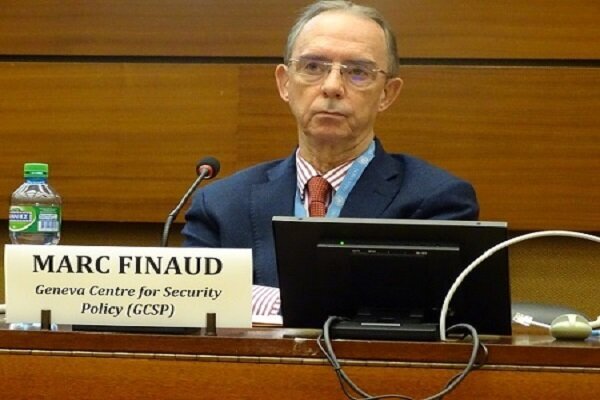
To provide clearer insight, Mehr News Agency interviewed Marc Finaud, senior advisor at Geneva Center for Security Policy and former spokesperson for France’s Ministry of Foreign Affairs.
Finaud stressed legal and political complexities surrounding the snapback mechanism. He explained it was initially introduced during JCPOA negotiations as a credible tool for all parties to ensure compliance. “This mechanism,” he said “was proposed by Russia during JCPOA talks to reassure skeptics-especially within the U.S.Congress-that all parties had strong pressure means ensuring Iran’s adherence.” the process could be initiated by any JCPOA member without permanent Security Council members exercising veto power. Legally speaking, this originated from three European nations who led JCPOA negotiations starting in 2003.”
Regarding America’s withdrawal from JCPOA in 2018 versus its current role promoting snapback enforcement mechanisms today, Finaud explained that today’s crisis stems from President Trump’s decision not only quitting but attempting in 2020 to activate snapback despite no longer being a party-a move other Security Council members opposed.
“There is there’s no doubt whatsoever,” he added “that this crisis began after Trump management left in 2018; so when America tried using snapback in 2020 others rejected it as they consider America no longer part of JCPOA.” He noted how Trump administration currently supports E3 initiatives opposing sanction waivers renewal at Security Council meetings.”
The former diplomat also referenced Tehran’s announced gradual reduction of commitments following Washington’s exit-and Europe’s failure compensating Iran’s losses under those conditions.
If asked about broader negative implications regarding multilateral agreements’ credibility worldwide due to this impasse: “Indeed,” Finaud said “America withdrawing sent a very damaging message overall – exposing tension between great-power politics versus multilateralism as means solving global challenges-an ongoing dilemma.” He remarked further: “Iran responded partly by suspending some obligations (including key additional protocols), fueling doubts if their nuclear program remains wholly peaceful.”
The voting behavior among smaller states demonstrated both political alignment patterns but also independent judgment according to Finaud: “European countries like Denmark or Slovenia generally align with Western powers; whereas Global South nations such as Panama or Sierra Leone appeared less pressured politically on these decisions.”
Tensions remain entrenched on balancing power within Security Council where persistent rivalry between Western permanent members versus Russia-China blocks has paralyzed decisive actions addressing conflicts worldwide-for years according to him. “Until permanent members prioritize peace/security interests globally above national agendas,” he concluded “the council will remain ineffective.”
Concluding his remarks about alternatives beyond sanctions or coercion towards resolving deadlock over Iran’s nuclear dossier:
“Relying heavily on military options or maximalist sanctions-as advocated principally by U.S., Israel-undermines prospects for peaceful resolutions,” he argued.
He reminded history shows sanctions rarely achieve intended political objectives while disproportionately harming ordinary citizens.
In contrast,”JCPOA demonstrated lifting sanctions incentivizes stronger motivation for negotiated settlements.”
“Following this model may help resolve current crisis without further weakening global non-proliferation regime.”
“Conversely,” he affirmed “JCPOA proved prospect of sanction relief offers more powerful inducement toward negotiated agreement-this approach should guide efforts addressing today’s stalemate.”