France Eyes Post-UNIFIL Security Role in Lebanon Amid Regional Shifts
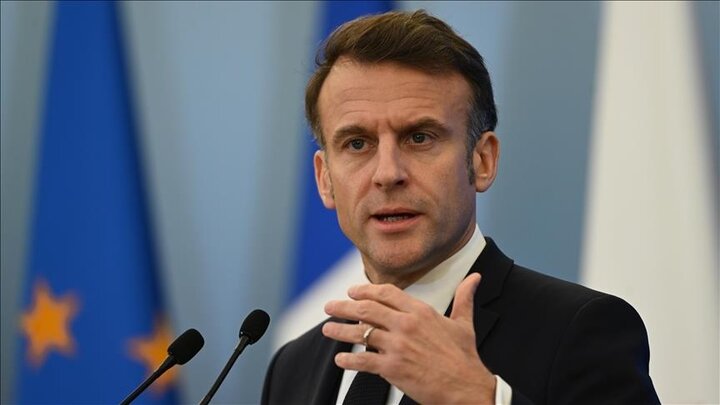
According to the International Desk of Webangah News Agency, recent developments concerning the future of the United Nations Interim Force in Lebanon (UNIFIL) extend beyond a technical discussion on the extension or termination of an international mission. Statements by French Minister of the Armed Forces, Sébastien Lecornu, emphasizing the necessity of broader European participation in Lebanon’s security, indicate Paris is charting a new vision for Europe’s role in the Eastern Mediterranean. This vision has the potential to impact regional security balances in the coming years.
Lebanon currently finds itself at the nexus of several simultaneous crises, including an economic downturn, weak governmental institutions, and the repercussions of the conflict in Gaza, coupled with heightened tensions on its southern border with Israel. In this context, the potential end of the UNIFIL mission in 2026 has generated serious concerns about the future security order in southern Lebanon. This region has become one of the most sensitive geopolitical hotspots in the Middle East over recent decades, and any security vacuum could have ramifications extending beyond Lebanon’s borders.
France is endeavoring to present itself as the principal architect of the post-UNIFIL phase. Paris’s proposal to explore new security mechanisms and the potential deployment of an international force with European participation should be analyzed within the framework of France’s overarching strategy to increase Europe’s role in managing surrounding crises. This approach aligns perfectly with the concept of “European strategic autonomy,” which has become a central tenet of French foreign policy in recent years.
From Paris’s perspective, Lebanon is not merely a security issue but is considered part of France’s historical legacy and traditional sphere of influence in the Middle East. Since the French Mandate over Lebanon in the 20th century, the country has always held a special place in French foreign policy. Consequently, any fundamental change in Lebanon’s security structure could affect France’s regional credibility and influence. France’s sustained support for the Lebanese army, participation in humanitarian aid, and recent political mediation efforts are all interpretable within this context.
However, France’s objectives are not confined solely to Lebanon. The war in Ukraine, a reduced strategic focus by the United States on the Middle East, and increased competition among regional powers have created what Paris views as an opportune moment to strengthen Europe’s geopolitical role in the Eastern Mediterranean. In this light, establishing a new security mechanism in Lebanon could serve as a model for more effective European engagement in regional crises, demonstrating the European Union’s capacity to act beyond economic and diplomatic tools and play a role in the security domain.
Despite these ambitions, realizing such a scenario faces numerous obstacles. Firstly, there is no complete consensus among European nations regarding the extent and nature of participation in Lebanon; many European governments currently exhibit limited appetite for engaging in high-risk foreign missions. Secondly, any new security plan must inevitably consider the perspectives of various stakeholders, including the Lebanese government, Israel, the United Nations, and influential internal Lebanese actors. Thirdly, continued regional instability could challenge the legitimacy and effectiveness of any new mechanism.
Consequently, the current discussion about UNIFIL’s future is, in reality, part of a broader competition to shape the future security order of the Eastern Mediterranean. France is striving to leverage this juncture to solidify its position as a leader in European security initiatives, but the success of this strategy will depend on Paris’s ability to garner support from European partners and create a balance among regional conflicting actors.
In the coming years, Lebanon will not only be the scene of a peacekeeping mission but will also become one of the most crucial arenas for assessing Europe’s capacity to play an independent role in international security equations. Therefore, what is being discussed in Paris today regarding Lebanon’s security future is less about the fate of a UN mission and more about the future of Europe’s standing in the global order following recent conflicts.