Armenian Public Concerned Over Iran Amidst US-Israel Conflict, Sees National Resilience as Key Strength
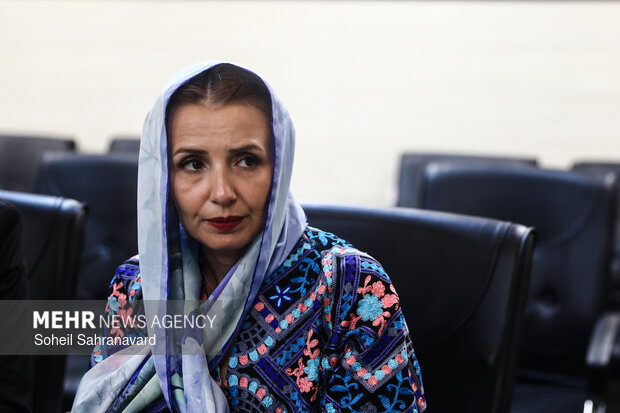
According to the International Desk of Webangah News Agency, the recent 40-day conflict involving the United States and Israel against Iran garnered widespread attention and concern across regional nations, including Armenia. Tisvinar Barkhoudarian, a correspondent for Armenia’s Channel 5 TV, currently visiting Tehran, shared insights into the perspectives of the Armenian public and media regarding the conflict, its repercussions, and the future of negotiation processes.
Barkhoudarian stated that during the conflict, the Armenian population harbored substantial worries for Iran and expressed distress over the events unfolding there. The recent opening of negotiation channels and the cessation of hostilities have brought a sense of satisfaction and happiness to the Armenian people, who hope the United States will not engage in a broader conflict against Iran. The Armenian journalist emphasized that the Armenian public feels secure with Iran as a powerful neighbor, hence their sensitive monitoring of developments within Iran.
Concerns were also present regarding the potential spillover of the conflict into the Caucasus region. Barkhoudarian noted significant apprehension that the hostilities might extend to the South Caucasus. The economic consequences of the war were not confined to Iran alone; regional countries also felt its impact. Beyond economic issues, there were worries about the security and military ramifications of an expanded conflict.
Channel 5 of Armenian TV provided continuous coverage of the war and related news concerning Iran from its initial days, with the topic frequently featured in news segments and analytical programs. The conflict was consistently framed by the channel as ‘The imposed war of the United States and Israel against Iran,’ accompanied by numerous expert discussions exploring its various dimensions. Barkhoudarian highlighted the challenges Armenian media faced in accessing direct narratives from within Iran, particularly during periods of internet restrictions, which hindered the swift acquisition of official Iranian news and accounts for foreign media outlets. He stressed that enhanced cooperation between Iranian and Armenian media, facilitating access to firsthand information, would significantly improve the quality of media coverage.
The Armenian correspondent criticized the dominance of Western media narratives in shaping global public opinion, stating that despite the age of media and the internet, Iran’s true image is not effectively conveyed to regional and global audiences. She asserted that many people in various countries are influenced by Western media narratives, underscoring the necessity for Iranian media to increase their efforts in transmitting their direct and authentic narratives to a global audience.
Regarding the Armenian public’s assessment of the US attack on Iran, Barkhoudarian indicated that due to their historical experiences, Armenians hold a negative view of war and military aggression. Having experienced war and imposed conflicts themselves, it is natural for them to maintain a non-positive stance towards military actions against another country. Addressing the recent memorandum of understanding between Iran and the United States, Barkhoudarian, while not a political analyst, suggested from her media experience that written agreements alone do not necessarily guarantee the fulfillment of commitments. She observed that during her visit to Iran, the spirit of the Iranian people was particularly striking. She frequently heard from Iranians their willingness to pay any cost for their country, identifying this spirit of resistance as Iran’s most significant strength. Barkhoudarian also visited southern Iran and the Strait of Hormuz region, witnessing firsthand Iran’s capabilities and potential, leading her to conclude that Iran is a nation possessing considerable power and capacity.
Concluding the interview, Barkhoudarian expressed gratitude for the hospitality of the Iranian people, calling her visit a valuable opportunity to witness Iran firsthand and observe its realities. She stated she is returning to Armenia with very positive emotions and honestly admitted to having fallen in love with Iran. She concluded by expressing her hope that the people of Iran will never again experience the pain and suffering of war and that lasting peace and tranquility will prevail in the country.