
European Gas Reserves Hit 15-Year Low Amidst Market Instability
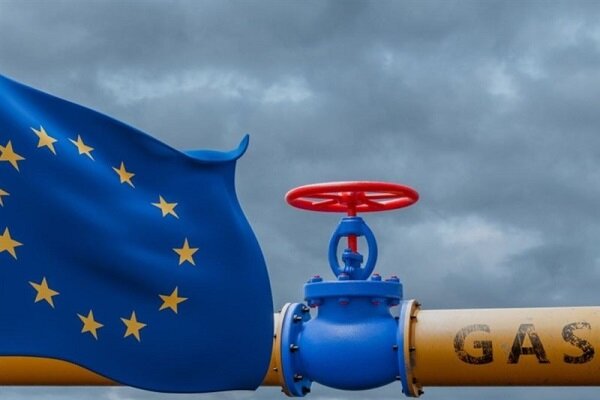
According to the International Desk of Webangah News Agency, the European fuel market is experiencing significant instability, with the continent now depending on the United States and Norway for up to 60% of its gas supplies, according to Russian newspaper ‘Izvestia’.
Experts warn that this winter, in addition to potential fuel shortages, Europe could face another surge in energy prices. The European Union is entering the cold season with gas reserves at a critically low 65.6% of capacity, the lowest rate observed in the past 15 years.
Germany, traditionally the industrial powerhouse of Europe, is among the most vulnerable EU member states. Brussels is actively seeking new gas sources, hoping to avert a repeat of the 2022 energy crisis. Data from ‘Gas Infrastructure Europe’ (GIE) reveals that underground gas storage facilities were only 65.6% full at the beginning of September, a figure not seen for this period since 2011.
In contrast, European gas reserves had exceeded 80% in the previous year, with EU countries entering winter periods with nearly 90% reserves between 2023 and 2025. Over the past four years, Europe has fundamentally reshaped its fuel import structure. Norway now supplies approximately 30-33% of the continent’s needs, while the United States contributes another 25%, together accounting for nearly 60% of the EU’s external gas requirements.
The report highlights Germany, the Netherlands, and Belgium as the most gas-reserve-vulnerable nations, entering autumn with some of the lowest storage levels among major EU economies. Italy remains particularly susceptible to price hikes, as gas constitutes up to 90% of its electricity costs, a situation echoed in Hungary, Greece, and Romania.
Furthermore, the newspaper pointed to the Strait of Hormuz as a potential complication for Europe’s gas supply situation. Approximately 20% of global liquefied natural gas, notably supplies from Qatar, transit through this vital waterway.


