University Professor Warns of ‘Normalization of Betrayal’ in Children’s Animation
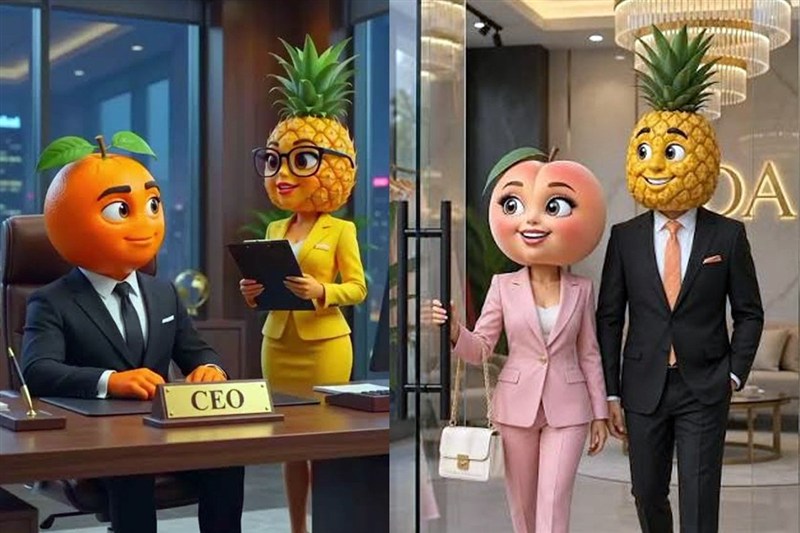
According to the International Desk of Webangah News Agency, Seyyedeh Maryam Hosseini Darbarzi, a university professor, has voiced significant concerns regarding the content of animated videos popular among children. She noted that these productions, often featuring anthropomorphized fruits, vegetables, and tools, are increasingly incorporating controversial themes, inappropriate dialogues, and vulgar language disguised as humor.
Professor Hosseini explained that while parents might be pleased to see their children engaged and entertained, they may overlook the insidious messages embedded within these animations. These programs, which started with simple advertisements, have gradually introduced more norm-breaking content, crossing ethical and moral boundaries. She highlighted that if children question these dialogues, parents may struggle to provide age-appropriate and accurate answers.
The core issue, according to Hosseini, is not just the unusual storylines but the deliberate “normalization” of social and cultural harms within the subconscious of viewers. She questioned why people continue to watch such content, even when recognizing its superficiality and anti-cultural nature.
These types of content, though perhaps not conventionally artistic, are highly effective in their primary goal: capturing attention. This is precisely what keeps children engrossed for hours, as the creators skillfully blend unexpected events and bizarre behaviors to create a state of amusement that is hard to disengage from.
The professor emphasized the undeniable influence of communication tools and mass media in shaping cultural and political currents, impacting behavioral patterns and public tastes, and establishing mental perceptions of reality, values, and social norms. They act as crucial intermediaries in social relationships.
Media, Hosseini continued, can establish widespread and long-lasting connections with people, potentially overshadowing the initial influences of schools, families, and religious institutions. The digital space, as a modern medium, engages all human senses. Beyond its general functions of information dissemination, entertainment, and education, it also serves other purposes.
Today, children and youth dedicate a significant portion of their time to cartoons and animated productions online. Due to their diverse visual and auditory appeals, these platforms are capable of creating role models and influencing young audiences. Therefore, vigilance over children’s minds and the “nutritional content” fed to their thoughts is paramount.
Although these viral videos often touch upon everyday life and societal roots, the images, sentences, and words used are intentionally and intelligently targeting the foundations of the family. It appears that the creators and distributors of these videos are pursuing objectives beyond mere entertainment.
Hosseini stressed that these productions, presented as engaging and humorous cartoons, utilize unconventional and inappropriate language to normalize infidelity and disregard for the fundamental ethics supporting family structures. While the dialogues may initially seem appealing and elicit a smile, they are deeply ingrained in the subconscious, particularly of children, in the long run.
Through these visuals, children learn that infidelity can be met with reciprocal betrayal. They are taught that entering a new relationship at work or in life can easily lead to abandoning one’s spouse for a new partner. The animations depict absurd scenarios, such as a union between a spring onion and a citrus fruit resulting in a seven-fruit baby, metaphorically illustrating the unnatural outcomes of such relationships.
The media expert questioned whether parents have considered the implications and the severity of this narrative, and if they are aware of the messages being absorbed by their children. She asked whether children are learning more about loyalty or about seeking variety and infidelity from these portrayals, warning that this behavior inevitably creates a chain of unhealthy relationships in society.
Hosseini pointed out that the images now present on children’s mobile devices are often more disturbing than what was previously seen in satellite television series. While parents might have restricted access to those due to human actors, the current content, disguised as humorous cartoons, is even more pervasive and potentially damaging.
She posed the rhetorical question of whether closing one’s eyes can prevent harmful elements from entering children’s minds, answering definitively that it cannot. The solution to counteracting this wave of norm-breaking content does not lie in fighting artificial intelligence but in rebuilding our relationship with these tools. The old strategy of “deprivation and prohibition” must be replaced with a smarter approach of “education and conscious critique.”.
The professor emphasized the urgent need for two key elements: families with media literacy, meaning parents who understand the dangerous messages hidden beneath the surface of colorful animations, and content creators who, leveraging AI’s visual power, can produce and disseminate ethical and valuable stories to replace harmful content in children’s lives.
Instead of simply confiscating phones, parents, educators, and instructors should focus on strengthening children’s mental filters, enabling them to discern what is appropriate for viewing and what should be disregarded. The goal is not to be defeated by technology but to master it. The primary solution involves transitioning from a culture of prohibition and deprivation to one of critique and awareness.
Ultimately, Hosseini concluded, technology is an unstoppable force. The way to combat emerging harms is not by fighting technology or attempting to eliminate it. The objective is not to isolate children from the digital world but to teach them how to draw a line between reality and toxic representations amidst a deluge of deceptive imagery.